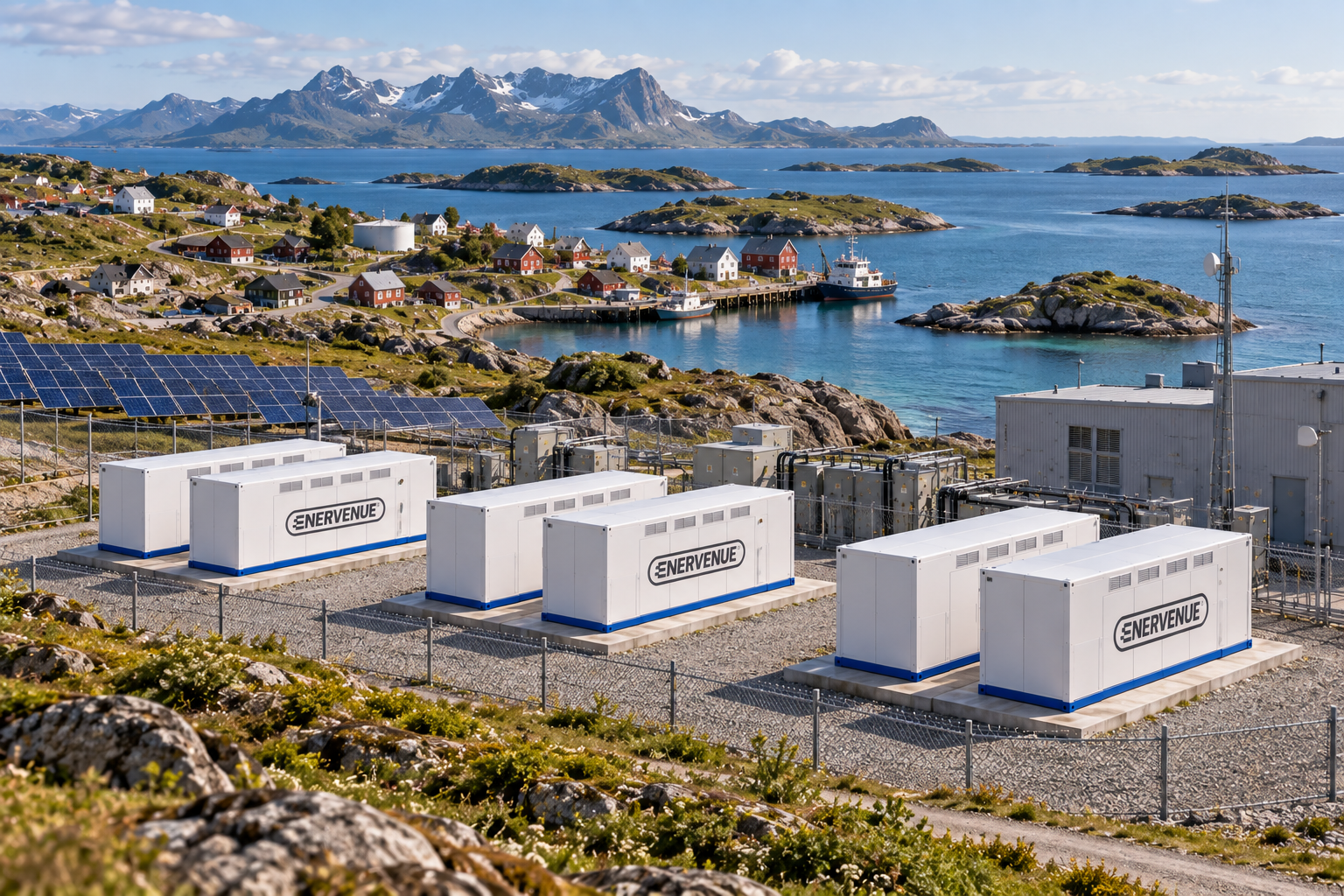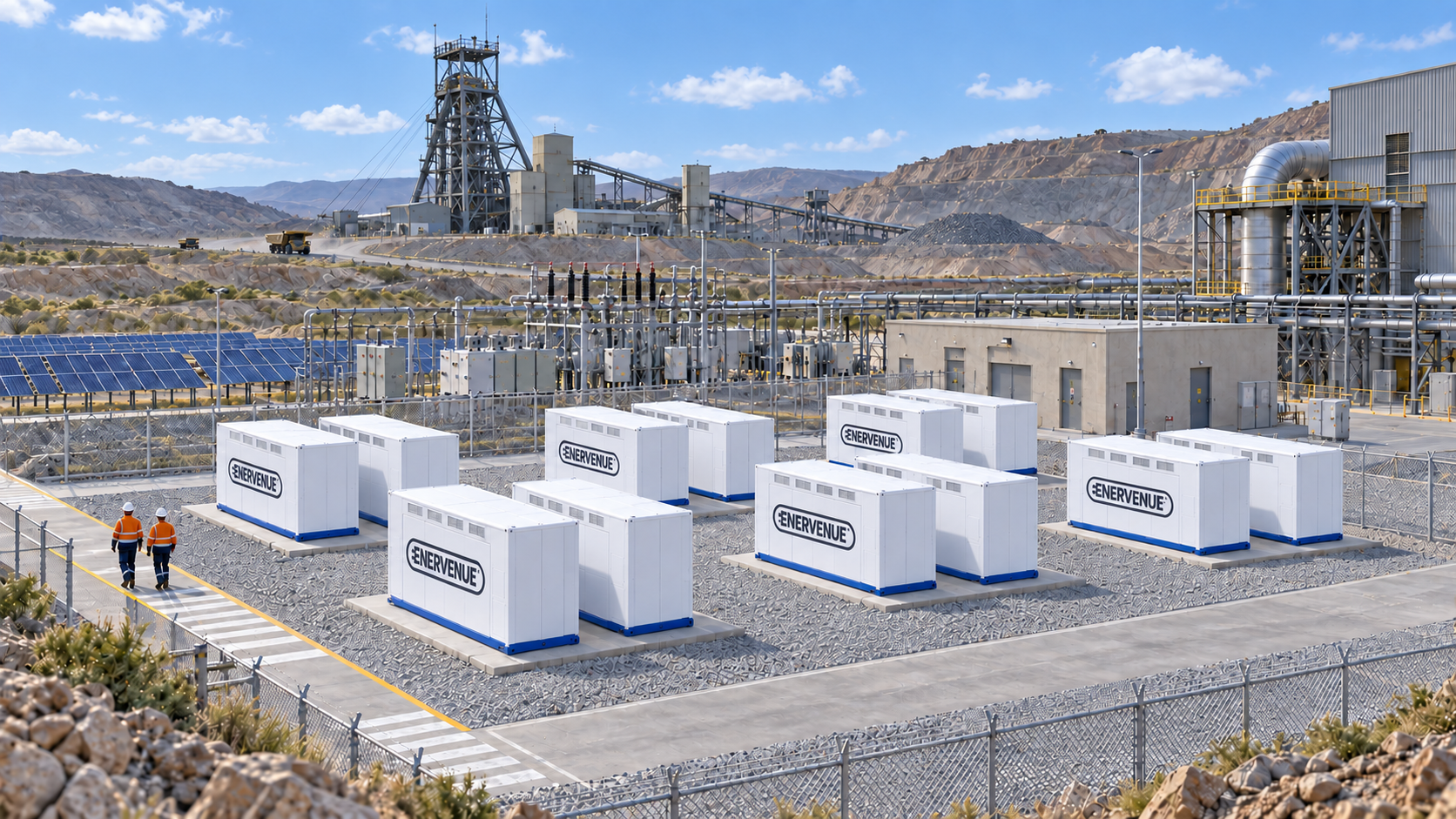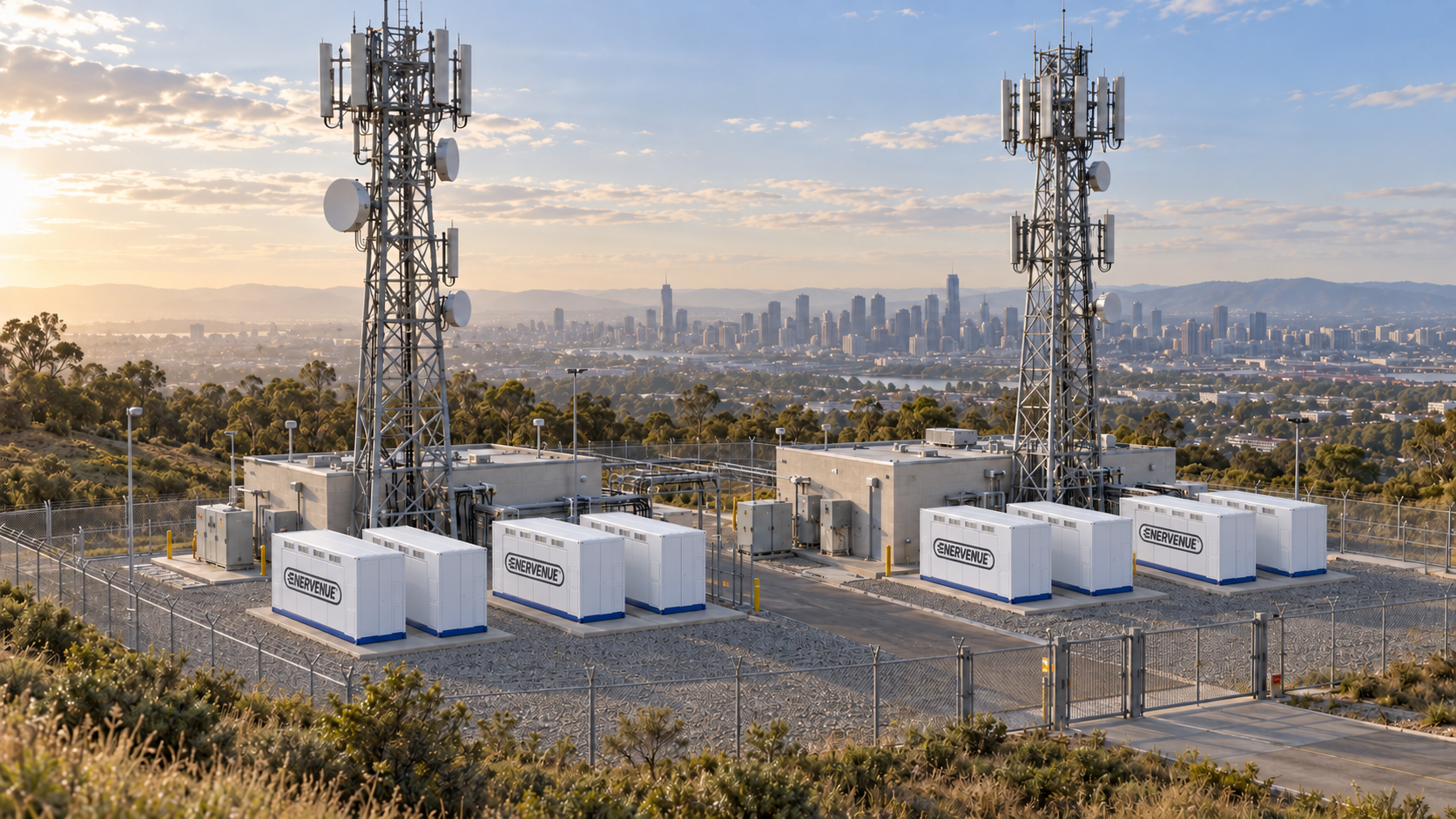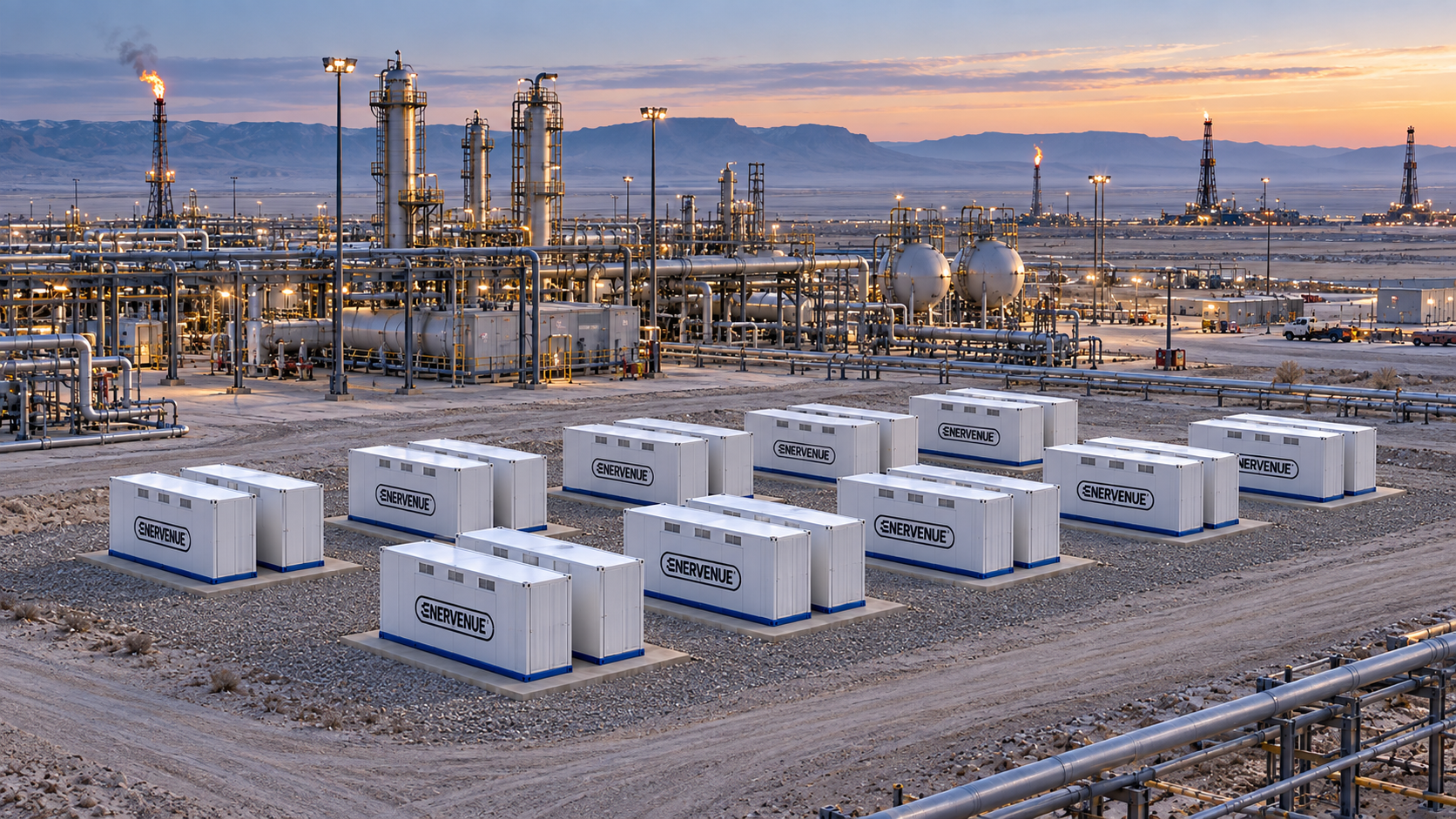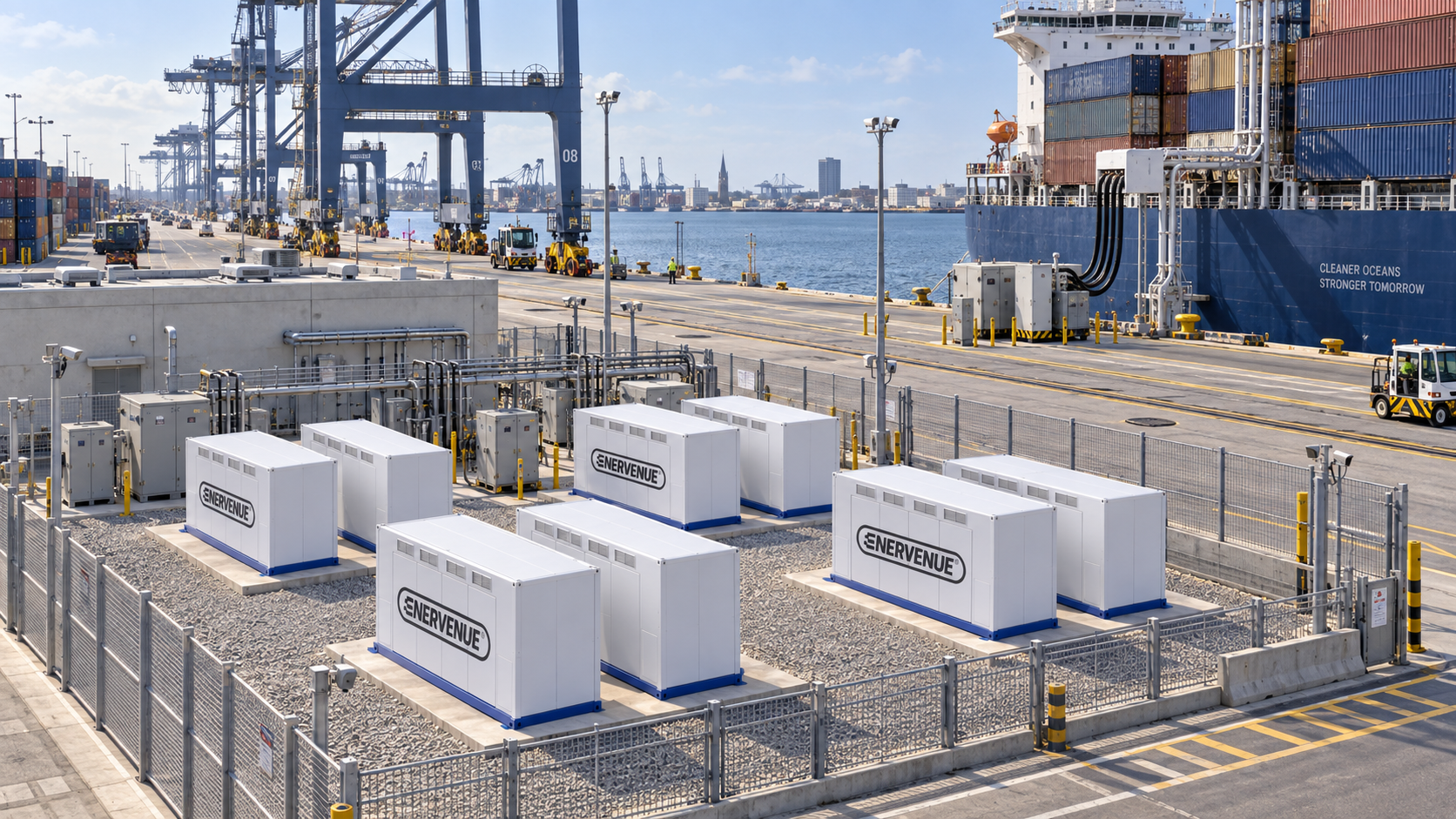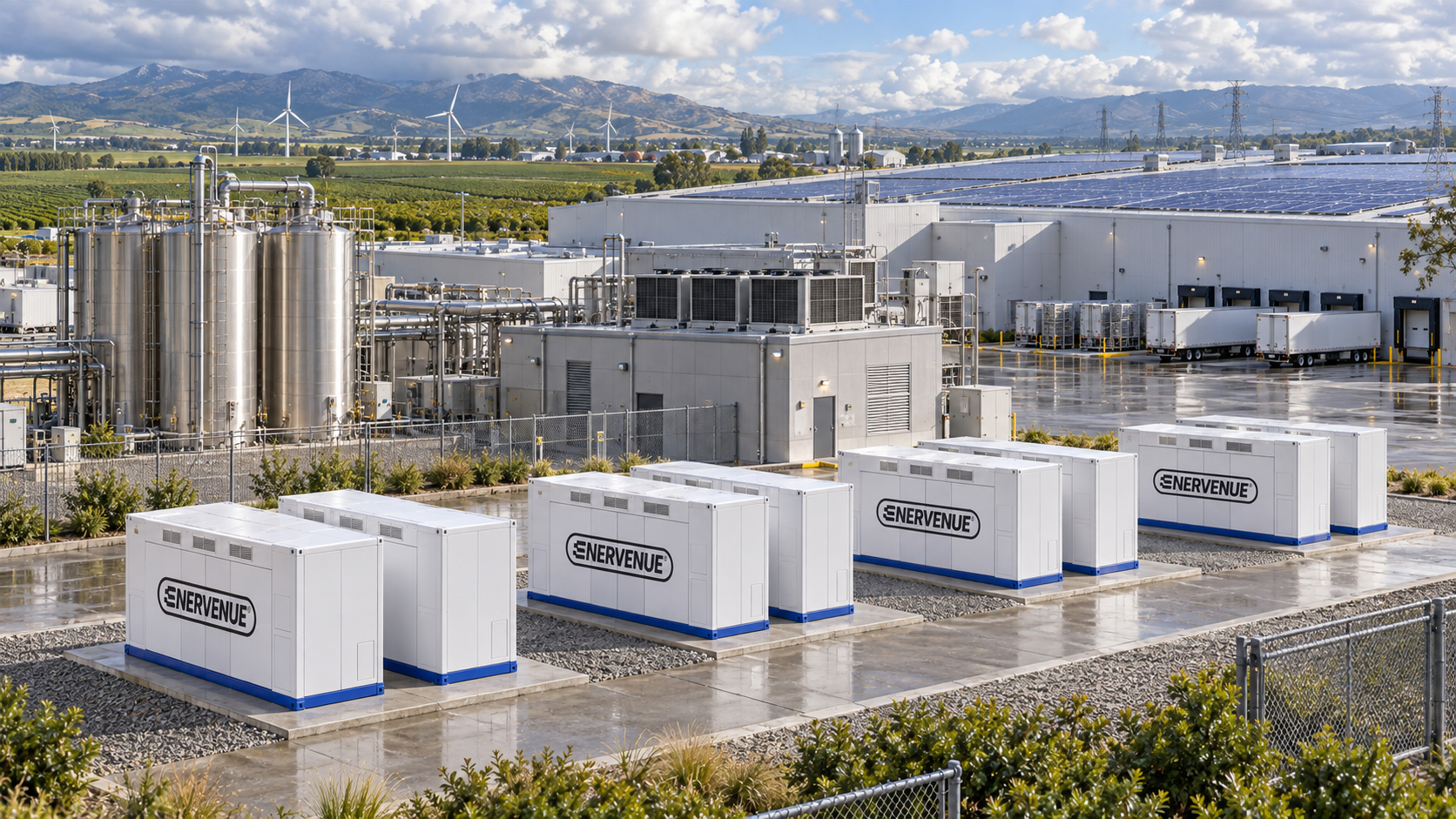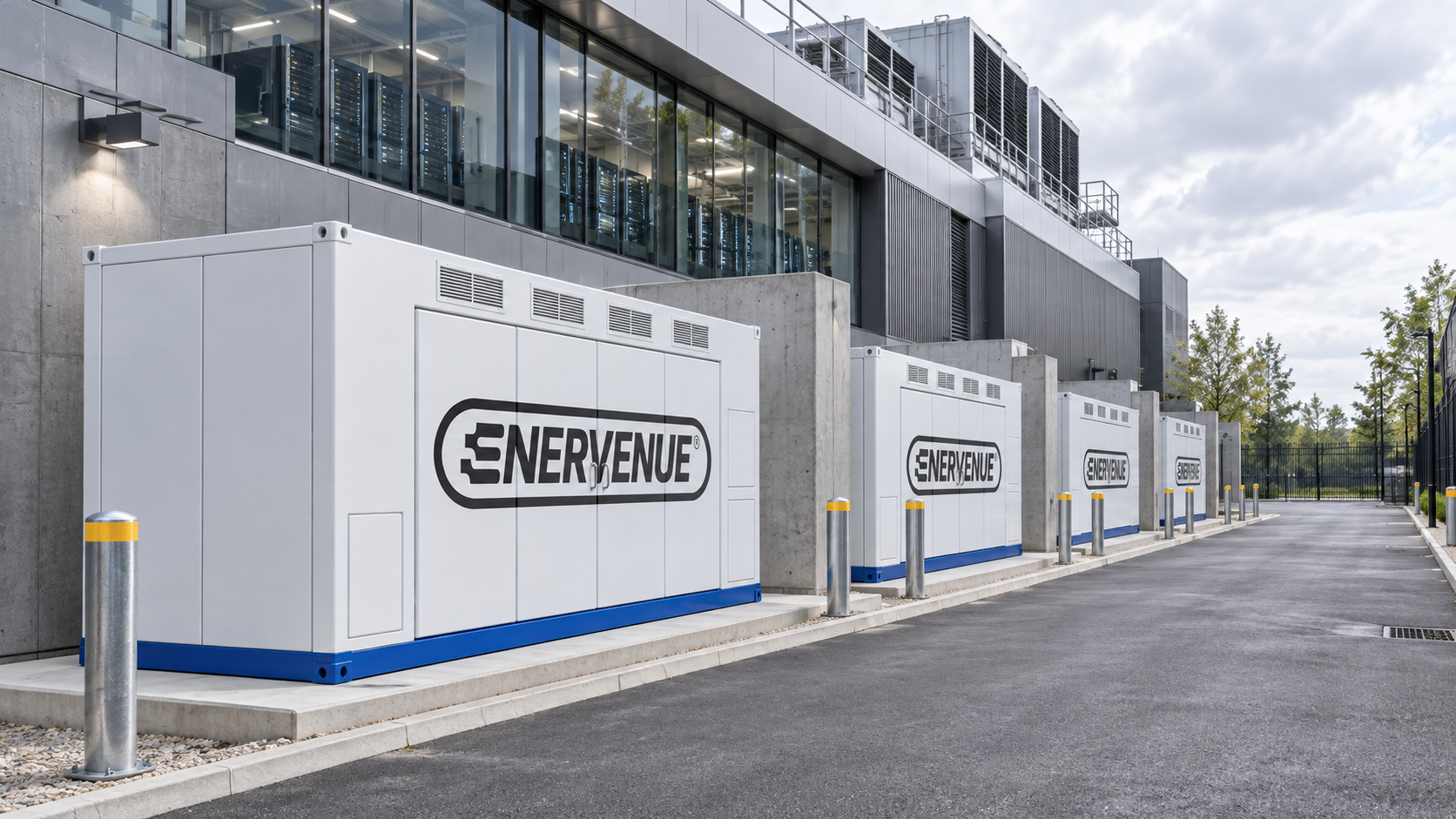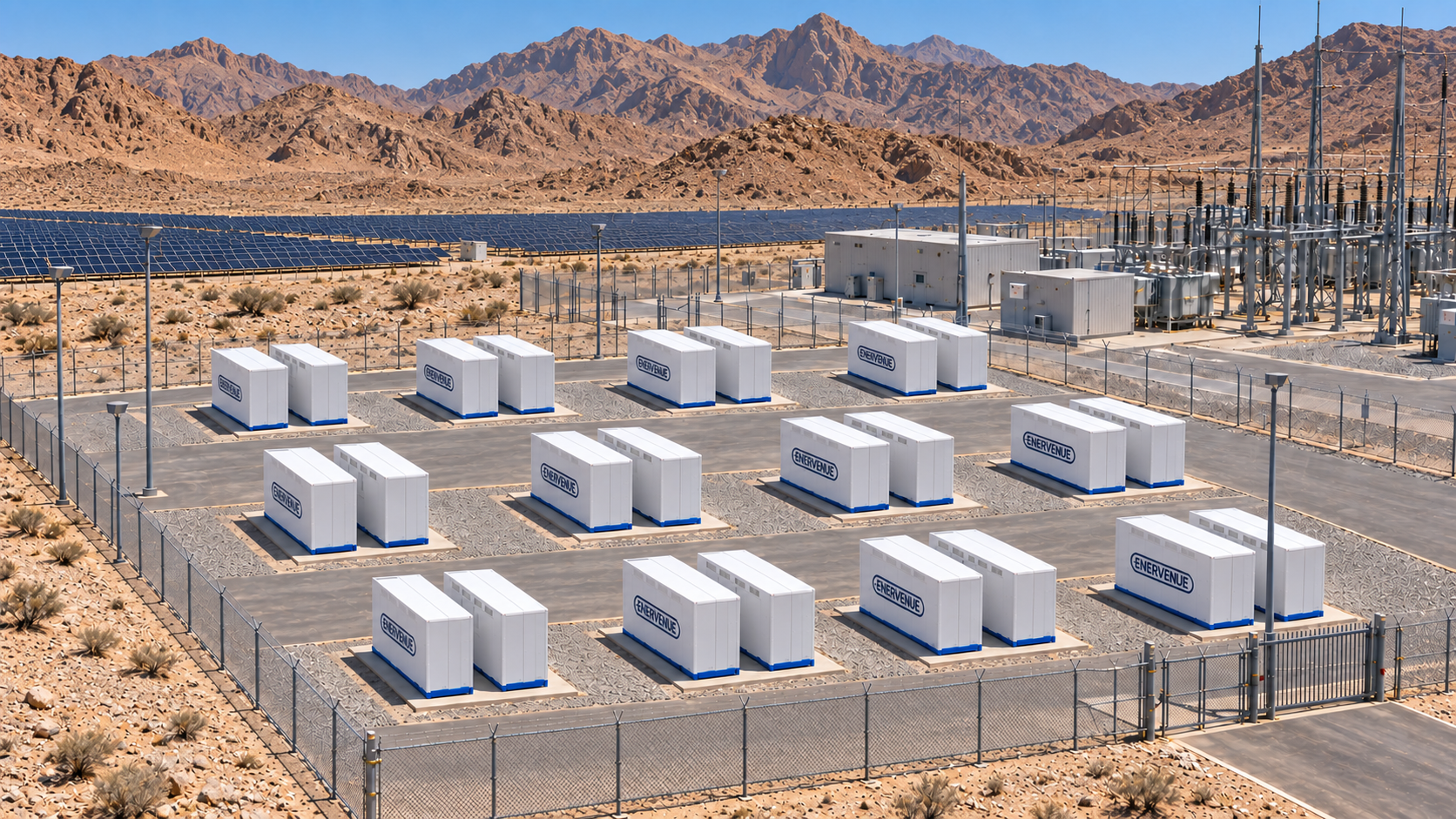
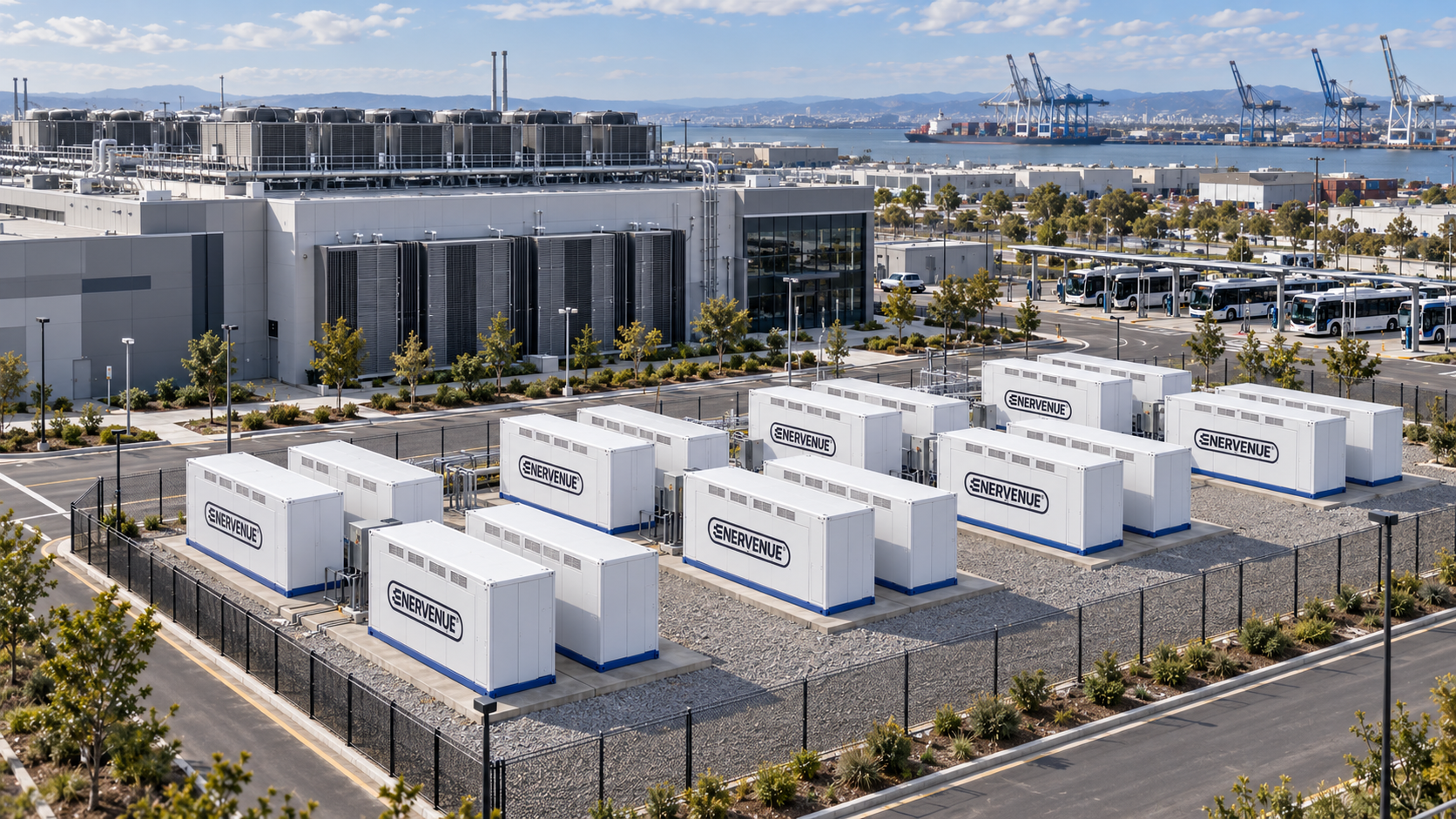
A modern site, whether an AI campus, a port or a fast-charging hub, has three storage problems running on three different clocks, and buys one battery for all of them. Milliseconds to seconds: ride-through and smoothing against step loads, a power problem wanting high rate and little energy. Minutes to hours: backup, bridging and the buffer that lets a site scale behind a capped connection, an energy problem wanting daily deep cycling. Hours to seasons: firming and shifting, also an energy problem. Procurement keeps buying one battery for all three, because the incumbent chemistry is passable at each and excellent at none, and the result is an asset sized for the wrong job and replaced before its time.
Today the Aqueous Metal Cell owns the second and third clocks: 30,000 cycles, 30 years, 3 cycles a day, rates from C/12 to 1.4C, zero risk of fire from thermal runaway. We say plainly that sub-second smoothing behind a GPU cluster is not today's job. A higher-rate cell on our roadmap is aimed at it: the same water-based chemistry, the same design life and the same safety, at rates that bring bridge power, fast frequency response, berth peaks and high-power charging inside one product family. When it arrives the layered architecture the market is converging on, a power layer for the milliseconds and an energy layer for the hours, can be one chemistry rather than two.
A specification written around the jobs the site actually has, rather than around the battery the market happens to sell. One chemistry across the whole stack, so the fire, siting and maintenance conversation is had once. And an energy layer that is still working at year thirty whichever way the power layer goes.
Forward-looking description of a product on EnerVenue's development roadmap. No specification, rate or timing is stated or implied.
Join industry leaders who turn to our briefing for insights and analysis on storage technology, market shifts, and real-world deployments.
— Early access to industry research & whitepapers
— Market insights on energy storage trends
— Technology deep-dives from our engineering team