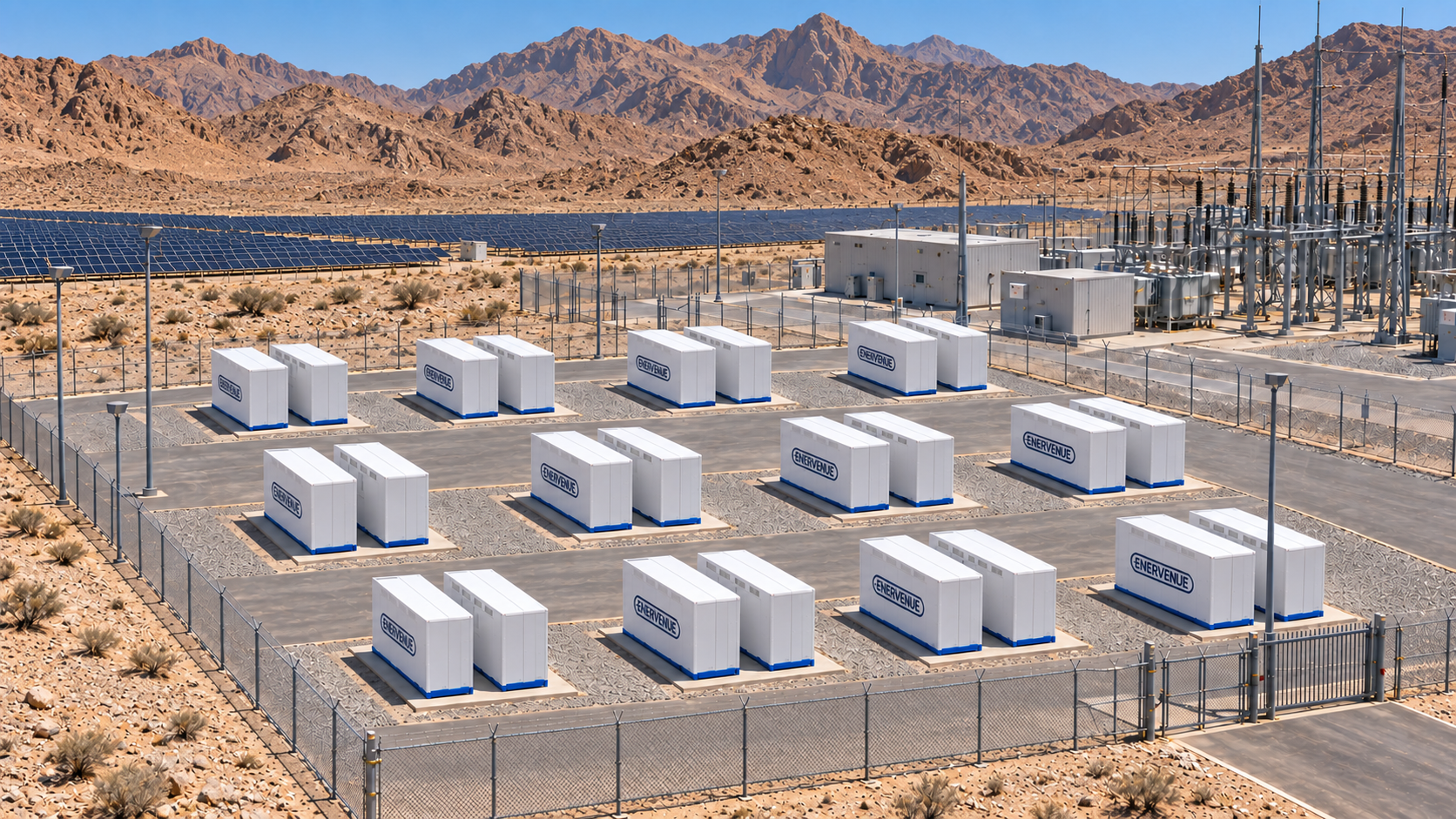
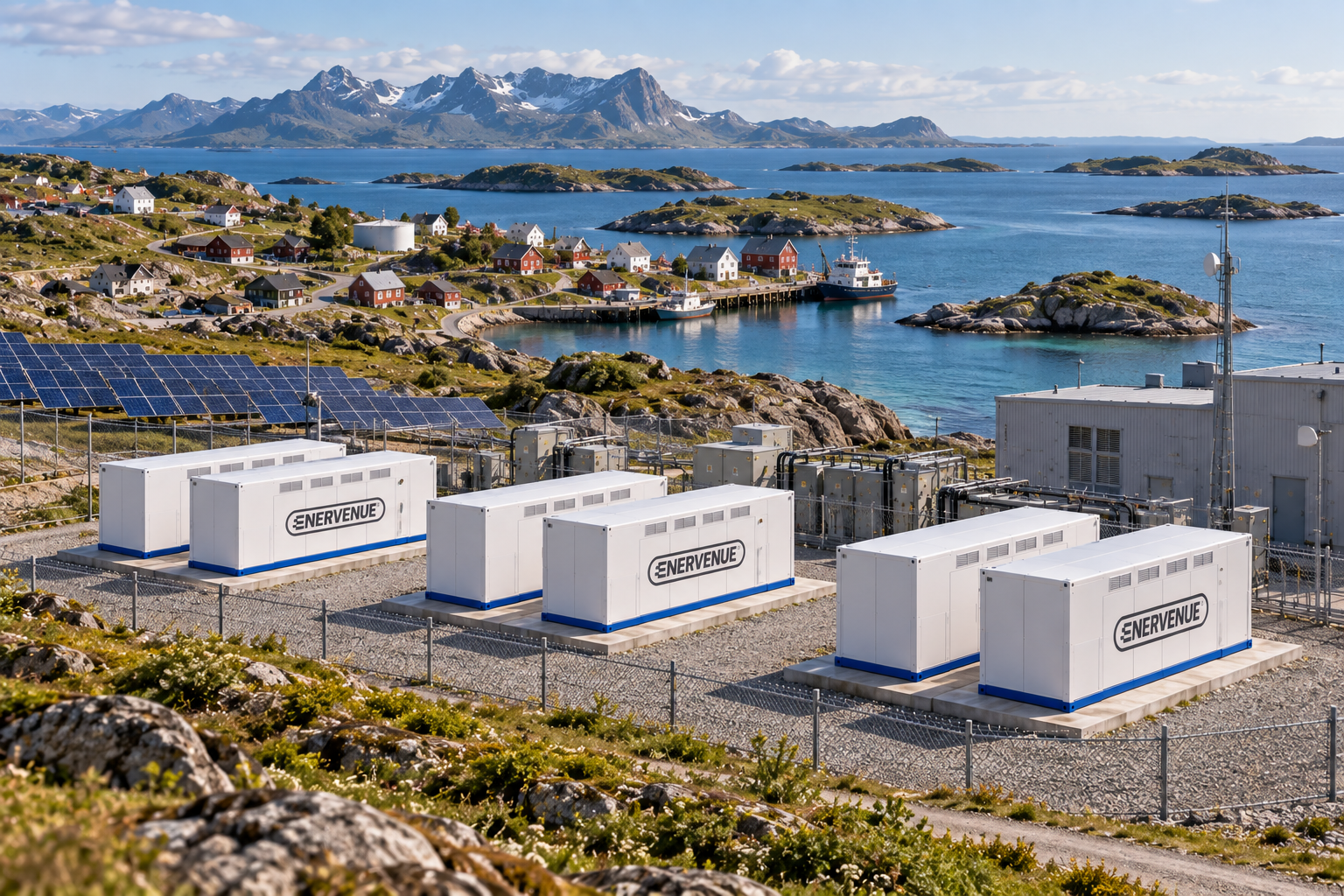
Isolated communities and island utilities run microgrids of 200 kW to 5 MW on a few bulk fuel deliveries a year. In remote Alaska diesel power costs US$0.50 to over US$1 per kWh; Bethel takes its last barge in autumn and lives on 13 million gallons for eight months, treating the fuel for mould before it can be burned (US Department of Energy). Solar is cheap. What is expensive is the battery that has to work every night for the life of the settlement, in a place where nobody comes to service it, next to the school and the clinic, where the fire service is three volunteers.
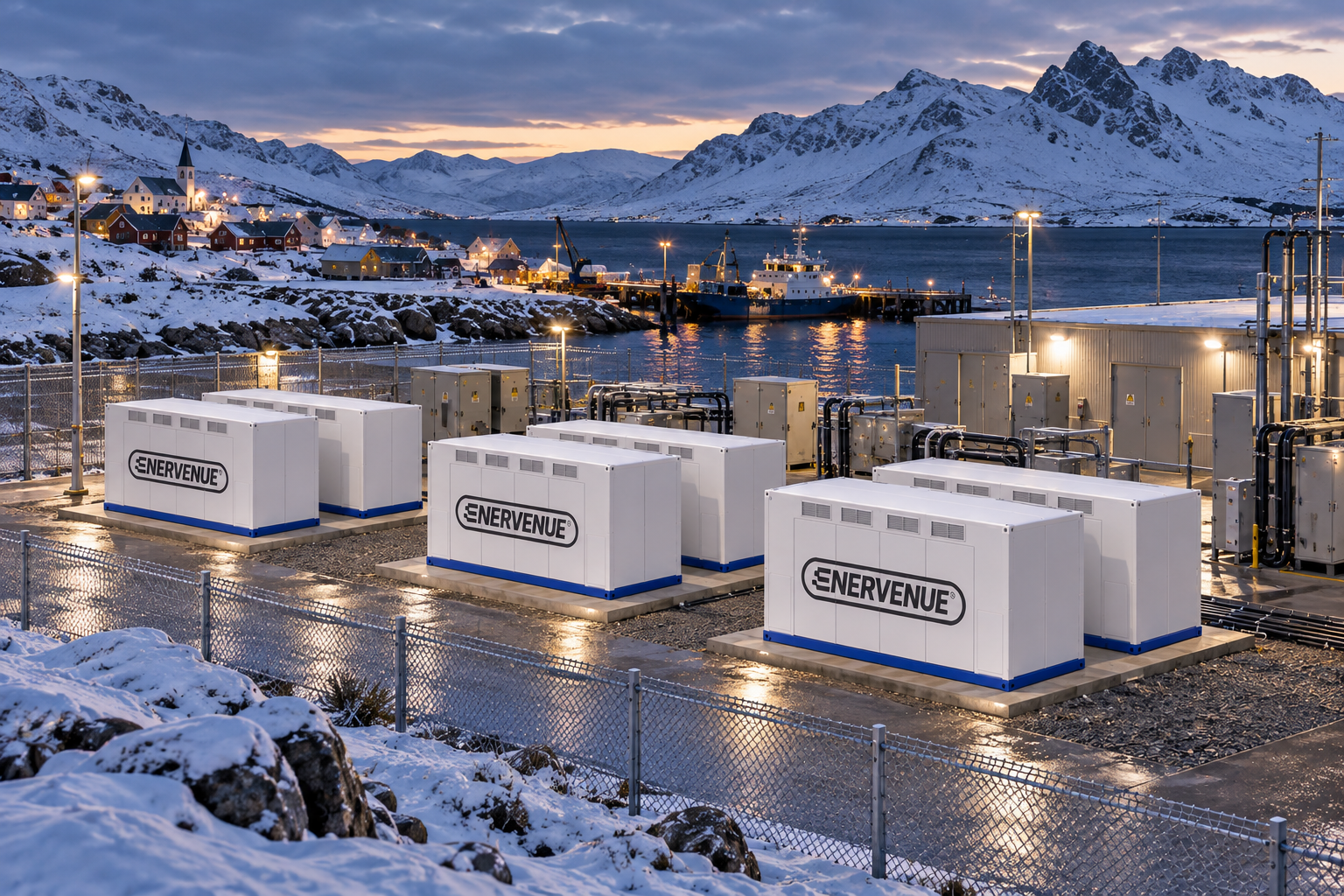
Overnight solar shifting is the defining island duty and a 4 to 12-hour discharge is exactly its shape. The Aqueous Metal Cell is designed for 30,000 cycles, 30 years and 3 cycles a day with no scheduled augmentation, so a full cycle every night for thirty years is the design case. The chemistry is aqueous and non-flammable, with zero risk of fire from thermal runaway. Cold is not the enemy either: our containerised system operates from -20°C to +60°C, and a system in Inner Mongolia has run fault-free through winter at around -20°C average ambient (figures on an 80 per cent depth-of-discharge basis). For a cable-connected island, the same battery smooths imports against the capacity of the interconnector.
The diesel order shrinks. The fuel price stops being the biggest unknown in the budget. The community stops replacing its battery every eight years, and the storage is one less thing that needs a technician on the next flight in.
Illustrative scenario built on published industry data and EnerVenue's product specifications. It does not describe a specific EnerVenue customer or installation.
Join industry leaders who turn to our briefing for insights and analysis on storage technology, market shifts, and real-world deployments.
— Early access to industry research & whitepapers
— Market insights on energy storage trends
— Technology deep-dives from our engineering team