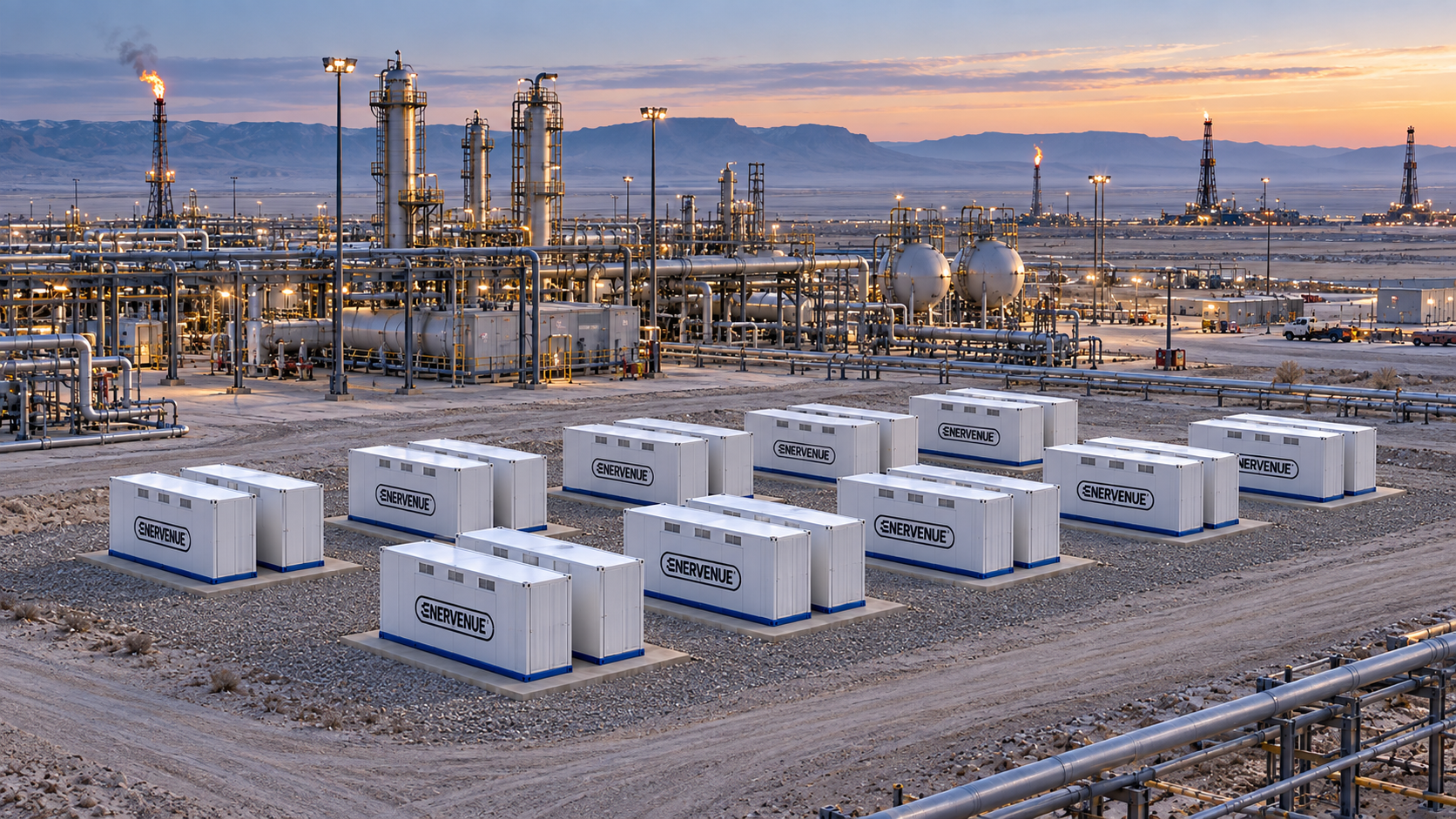
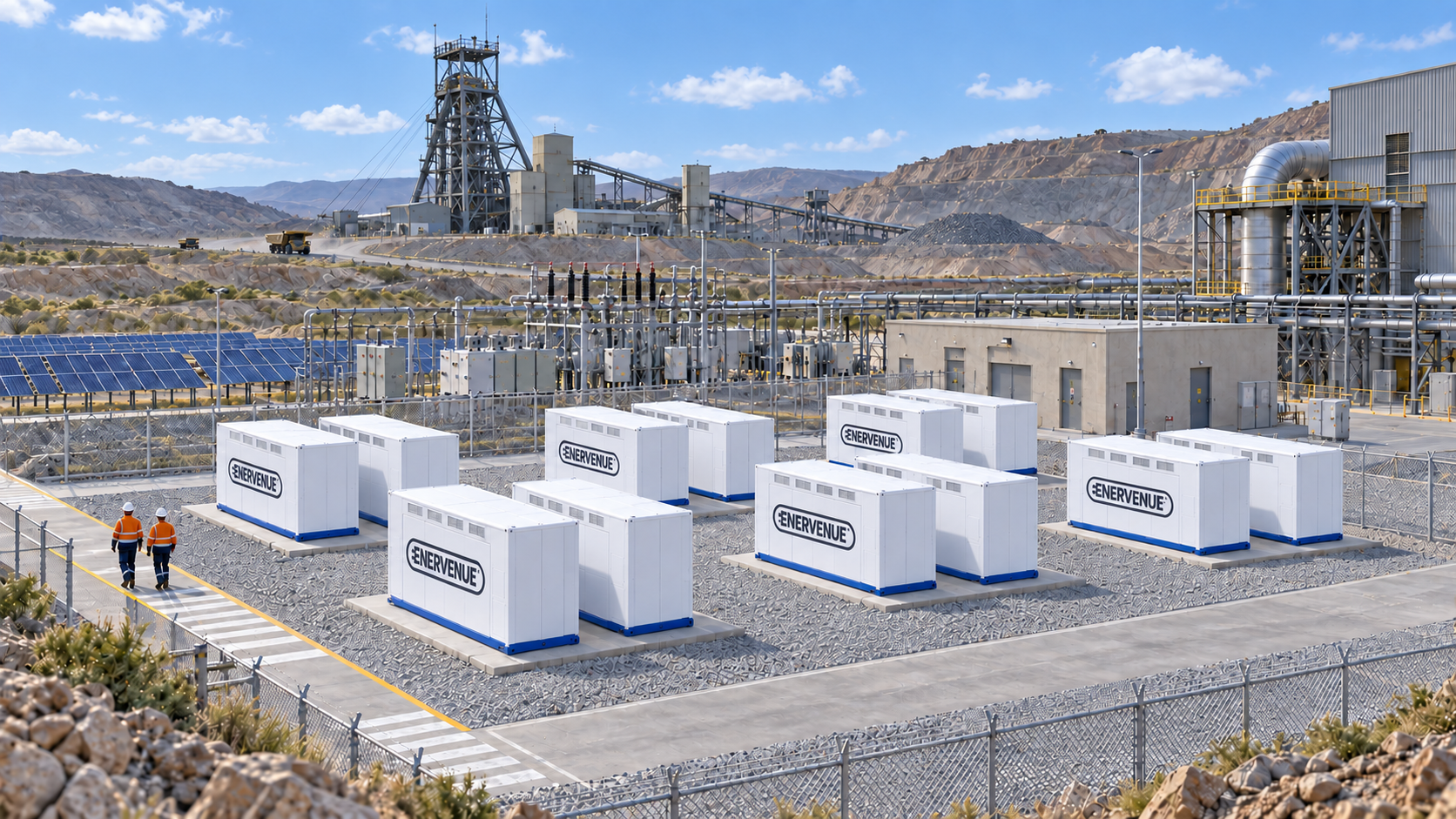
A remote mine's power plant is a diesel farm running 8,000 hours a year on fuel that arrives by road at several times the terminal price. Energy touches every stage from crushing to ventilation to dewatering. Off-grid diesel power in remote African contexts costs US$0.15 to over US$0.50 per kWh, against US$0.06 to 0.20 for solar plus storage, and hybrid systems have displaced up to 40 per cent of diesel while holding round-the-clock reliability (Aggreko, May 2026). The batteries doing that work sit on a warranty cliff and an augmentation schedule that means a second procurement inside a fifteen-year mine life, with every component and technician flown or trucked in, in heat that shortens conventional battery life.
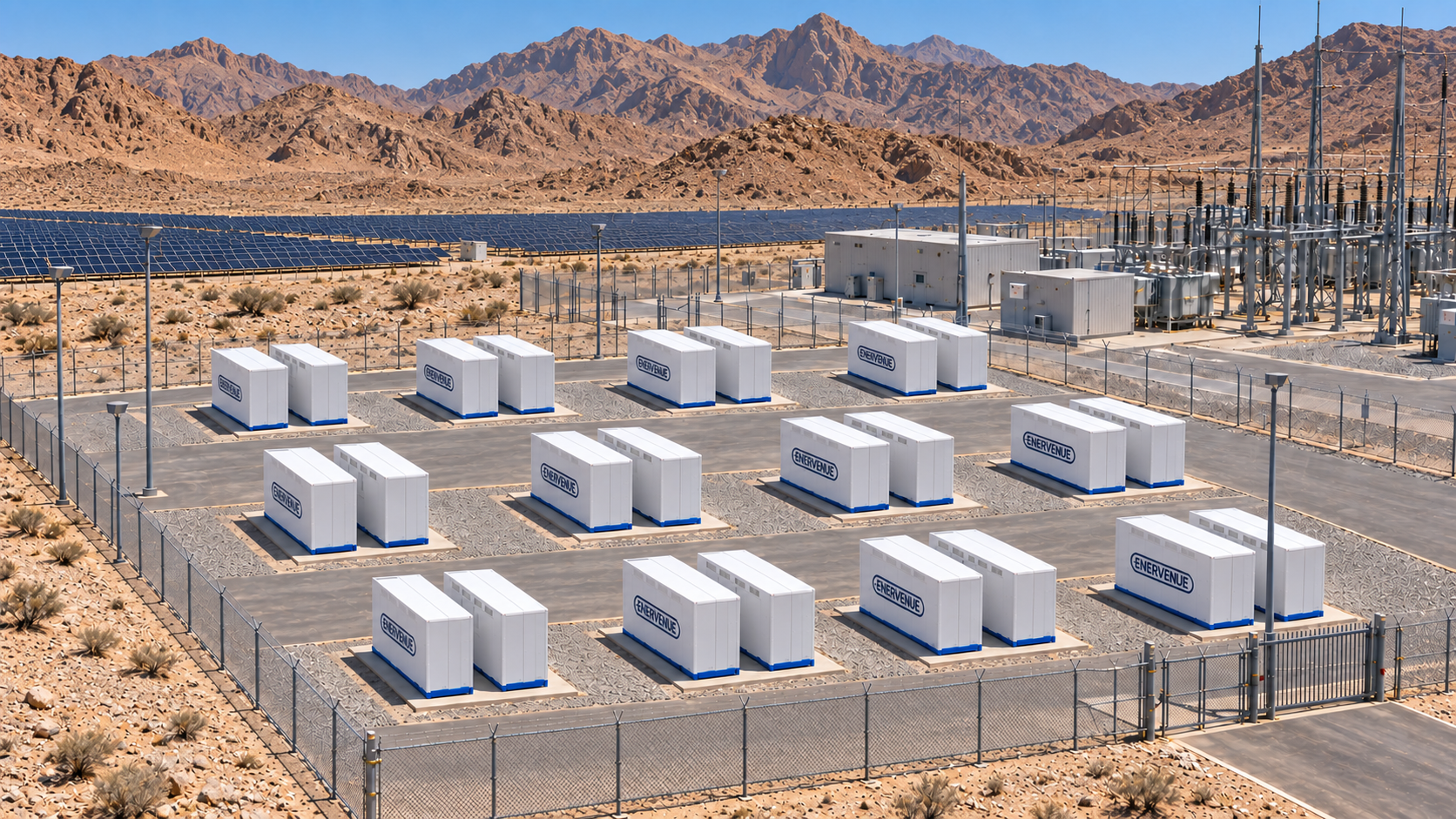
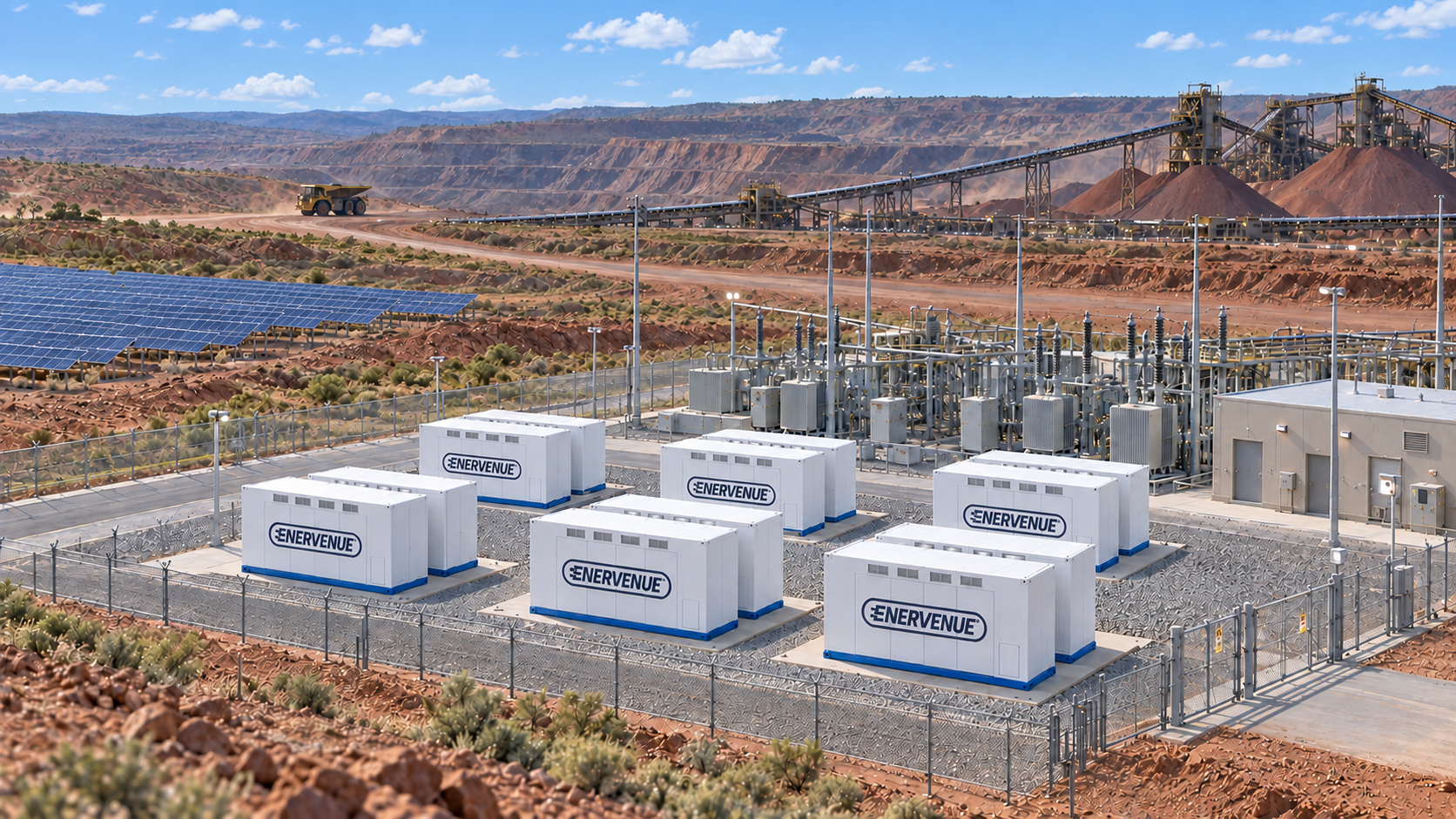
Solar by day, the Aqueous Metal Cell through the evening and night shifts, gensets shrunk to backup. The battery is designed for 30,000 cycles, 30 years and 3 cycles a day with no scheduled augmentation, so daily deep cycling is the design point and the logistics events disappear from the mine plan. The containerised system operates from -20°C to +60°C, from the Pilbara to the Sahel to the Atacama. No pumps, no electrolyte, no fire suppression demanded by the chemistry itself; where local code requires it, we fit it.
Fuel becomes a smaller and more predictable line. The genset fleet becomes a backup fleet. The storage is bought once for the life of the mine instead of being re-tendered halfway through, and the maintenance flight schedule loses a passenger.
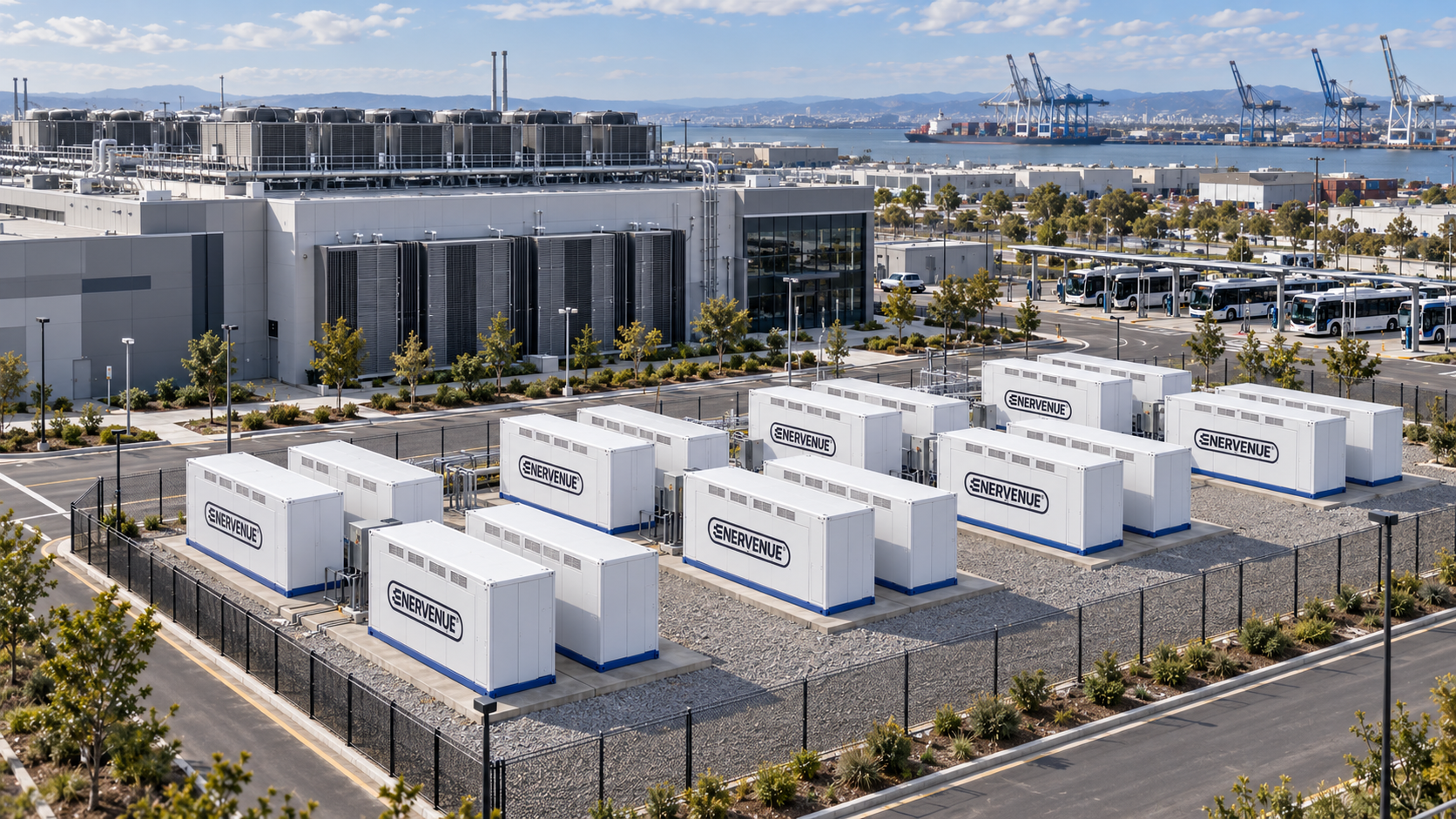
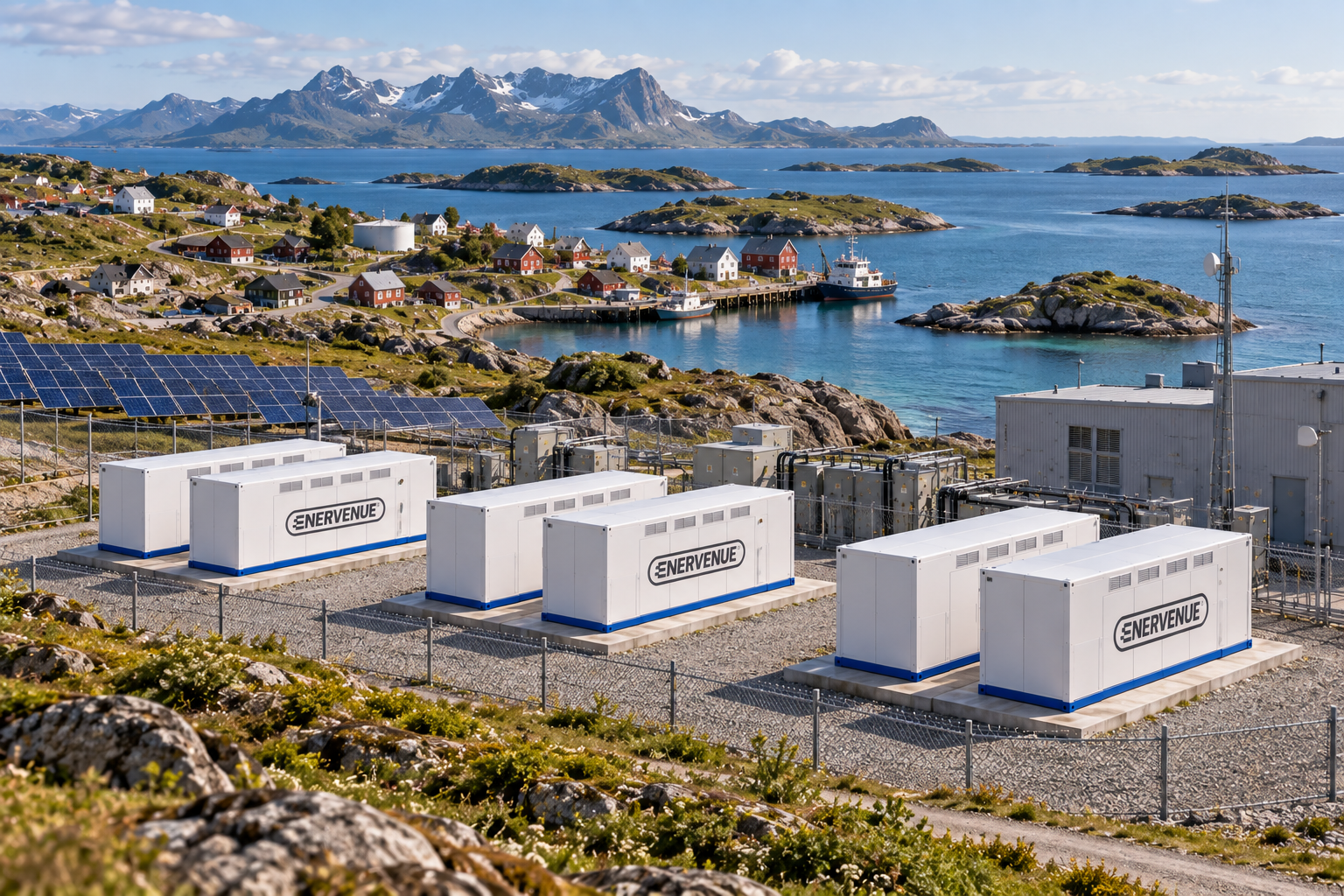
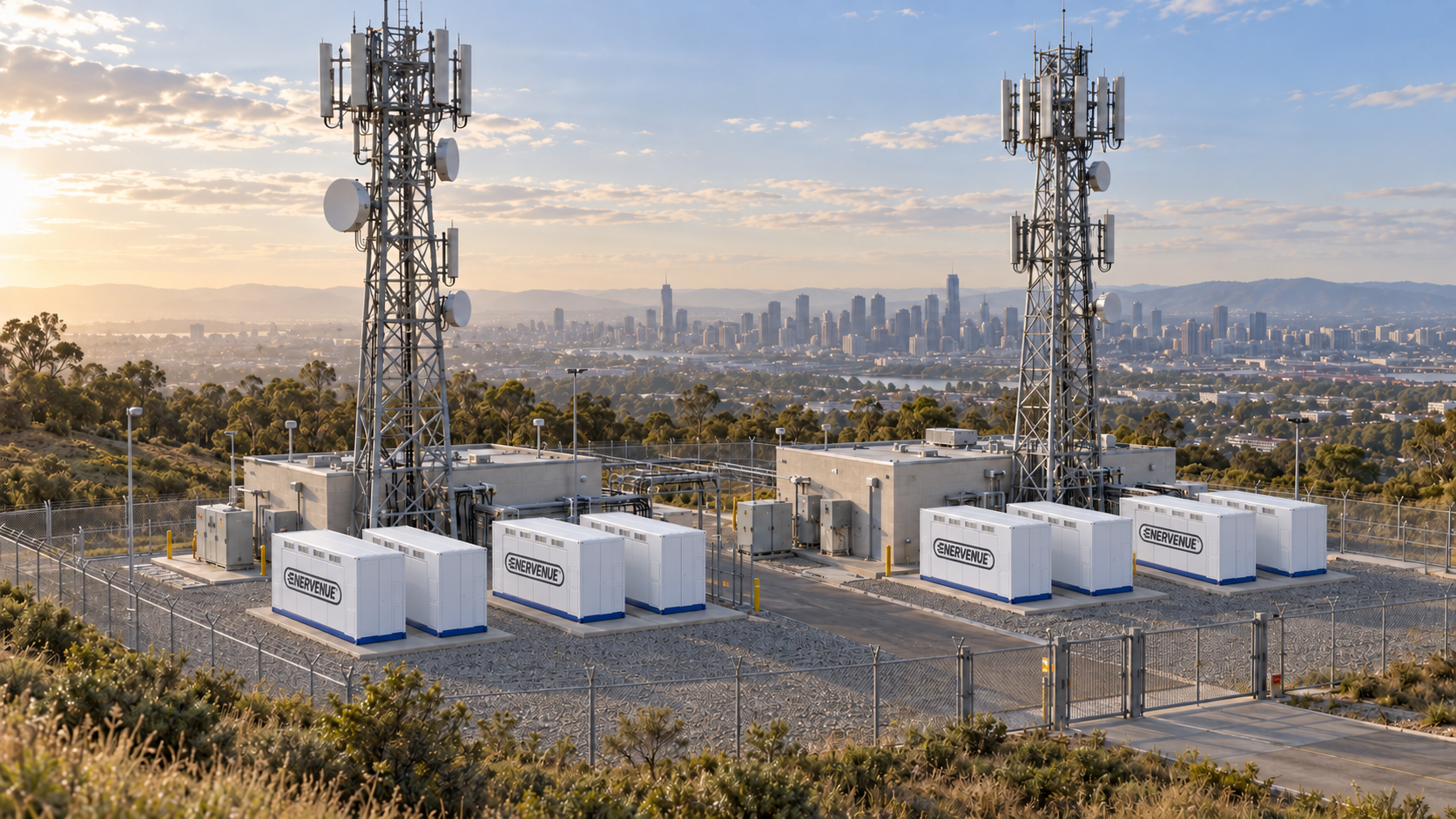
Illustrative scenario built on published industry data and EnerVenue's product specifications. It does not describe a specific EnerVenue customer or installation.
Join industry leaders who turn to our briefing for insights and analysis on storage technology, market shifts, and real-world deployments.
— Early access to industry research & whitepapers
— Market insights on energy storage trends
— Technology deep-dives from our engineering team