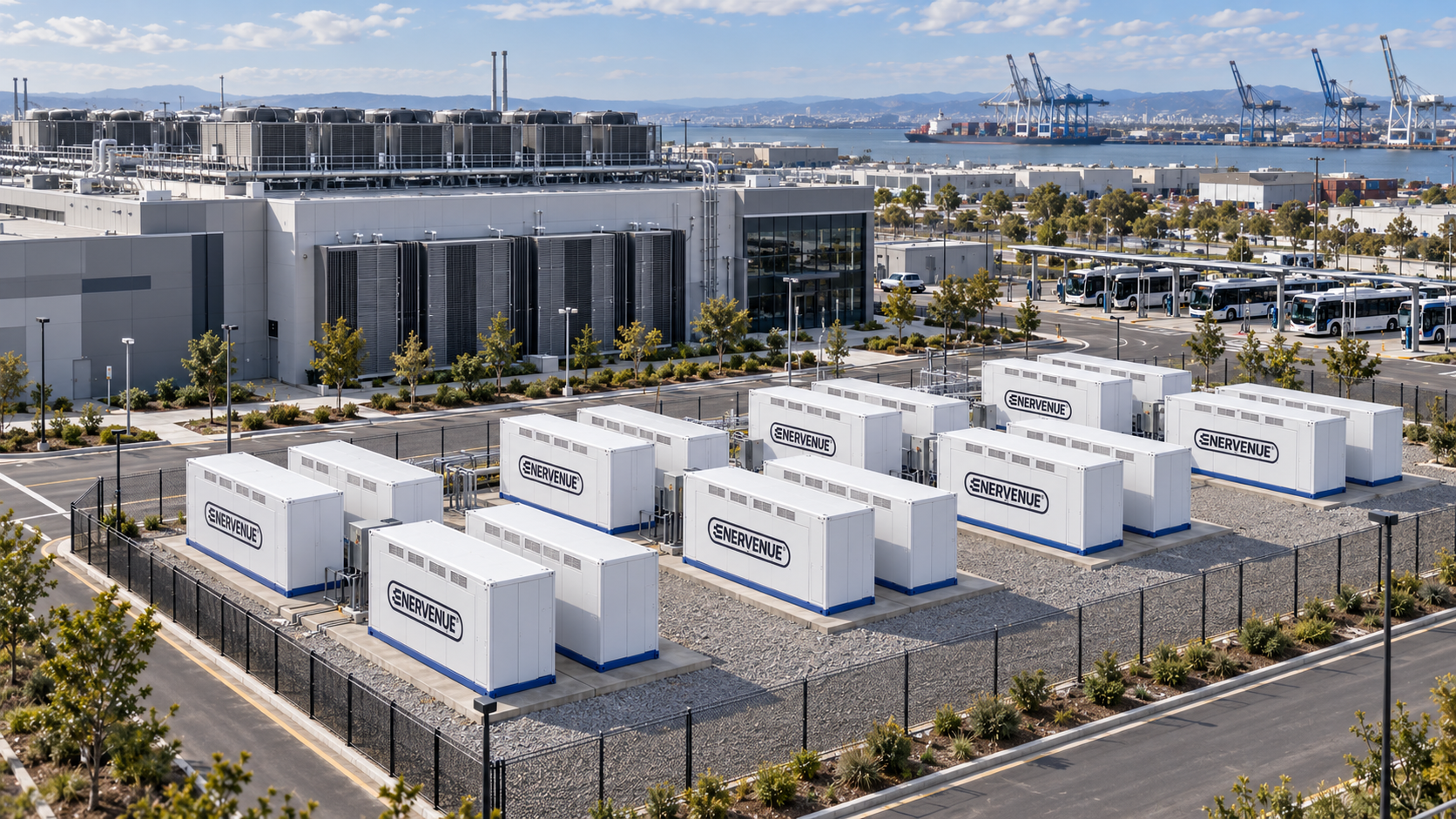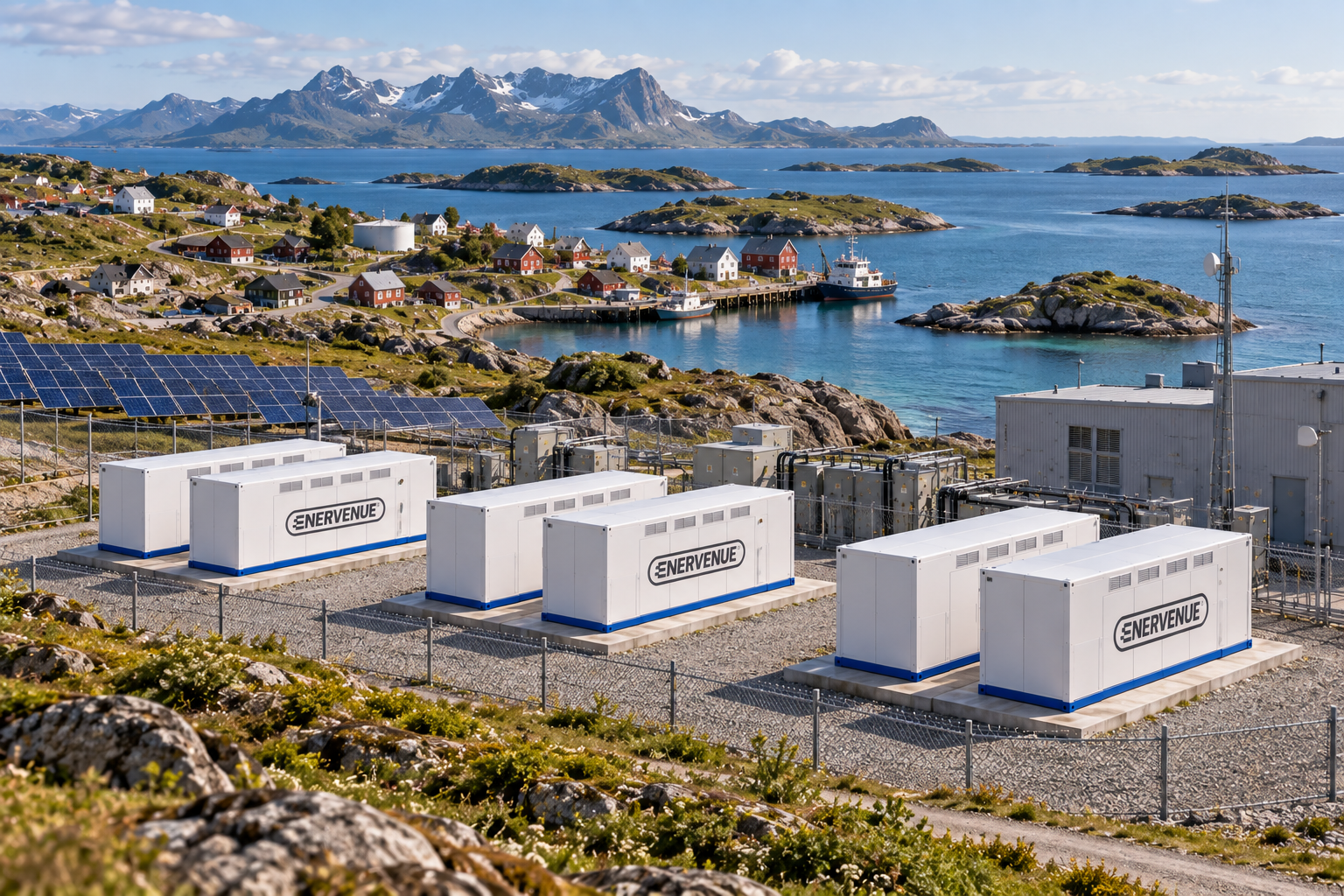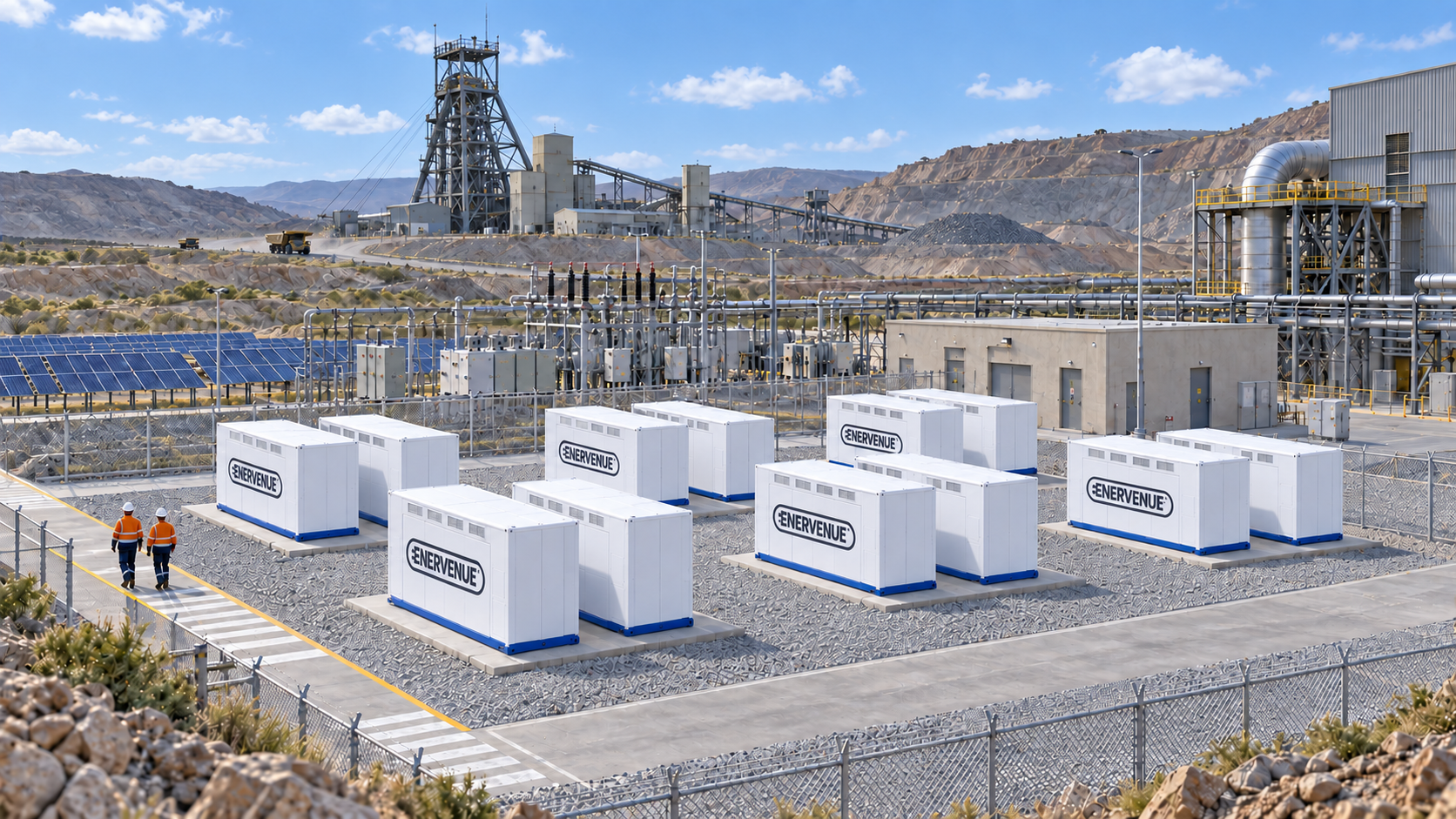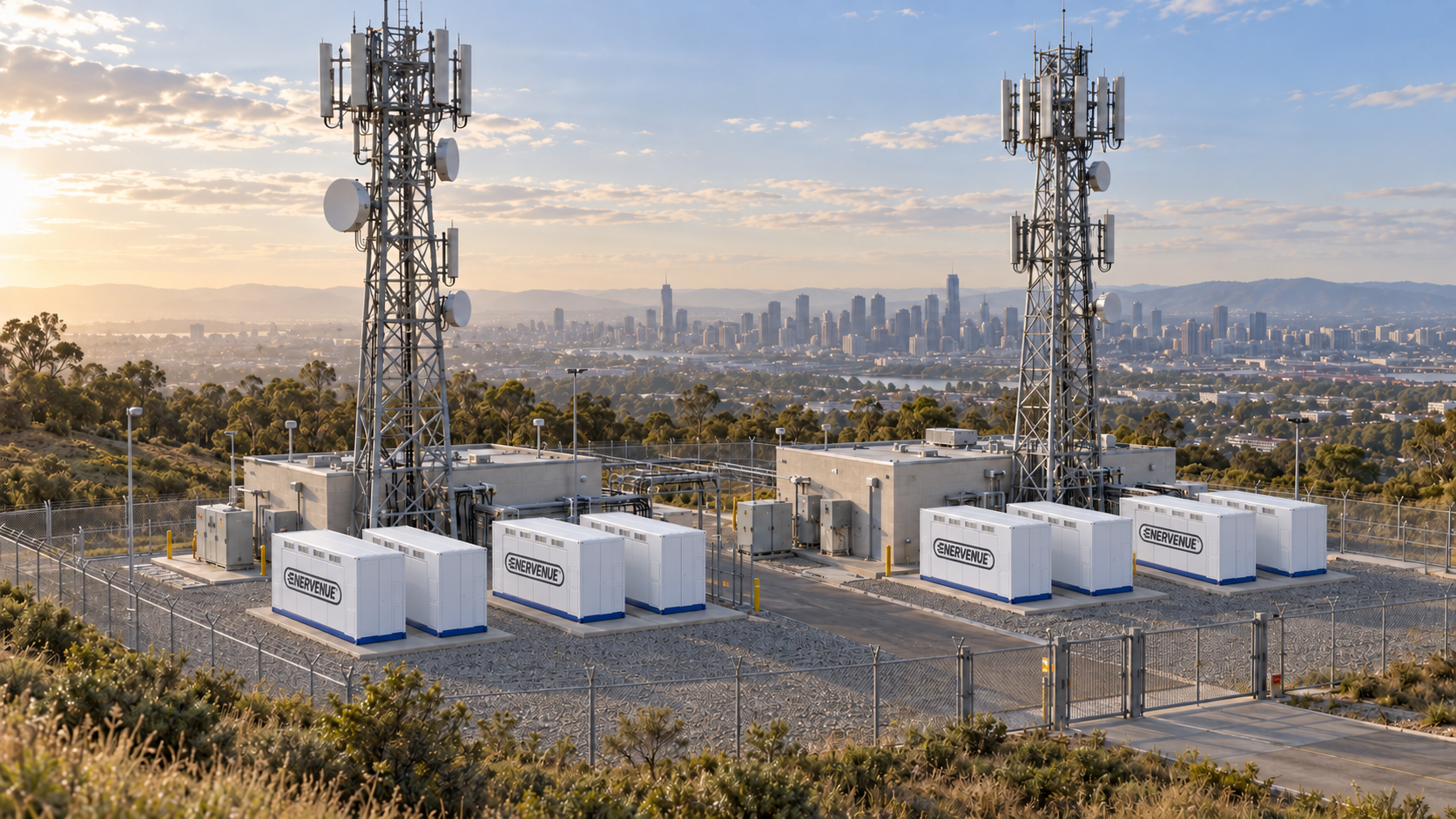
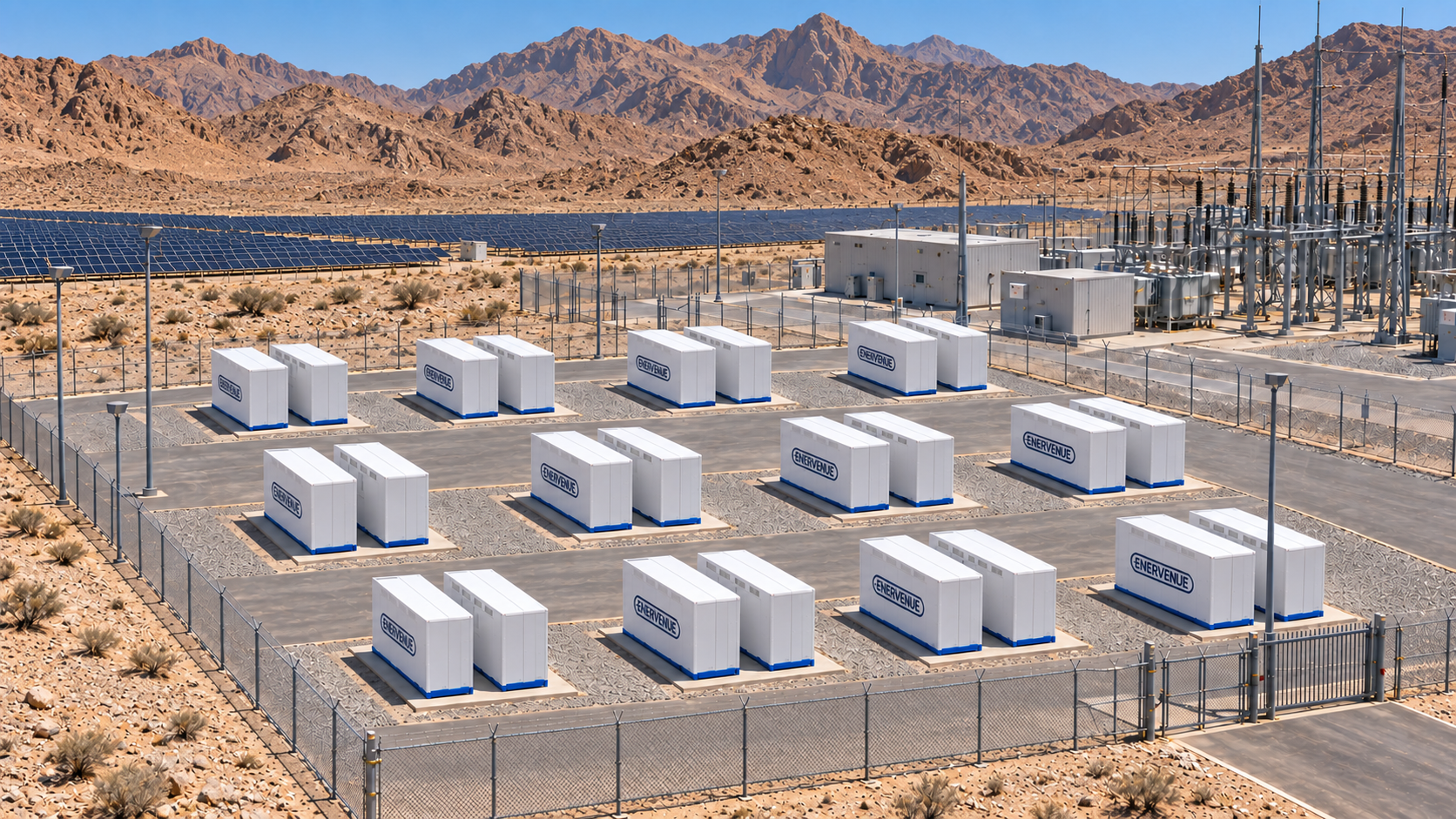
The Gulf is signing the most demanding storage contracts in the world: round-the-clock renewable power, solar by day and battery by night, promised for decades. Abu Dhabi's Masdar and EWEC reached financial close in July 2026 on a US$6.1 billion project pairing 5.2 GW of solar with 19 GWh of storage. Behind the headline sits a brutal duty: a full discharge every night, in sustained ambient heat, for the life of the contract. Heat shortens the calendar life of conventional batteries and drives a cooling plant that runs for thirty summers. Three questions decide whether such a contract makes money and they rarely appear in the bid: how long does the battery last at sustained high ambient, what does keeping it cool cost across thirty years, and what augmentation is needed to hold the contracted rating at year fifteen?
The Aqueous Metal Cell is a water-based, nickel-hydrogen battery designed for 30,000 cycles, 30 years and 3 cycles a day, with no scheduled augmentation and 93.2 per cent state of health at year twenty. Our containerised system operates from -20°C to +60°C. It carries a modest cooling load for part of the year in hot climates, and we show that as a line item rather than hide it. What it does not carry is the augmentation event: the mid-life purchase of new capacity that a degrading asset needs to keep its promise. The electrolyte is aqueous and non-flammable; the chemistry carries zero risk of fire from thermal runaway, which matters when the storage sits in the open beside the solar field, far from a fire crew. Where the buyer already runs flow batteries in the heat, the comparison is fair and factual: 87 per cent round-trip efficiency at system level against published flow figures around 68 to 73 per cent, a far smaller footprint, and no pumps, tanks or electrolyte to manage.
Year fifteen stops being a second procurement. The cooling bill is known in advance instead of discovered. The safety file is short. And the asset that signed a thirty-year promise is still working at year thirty.
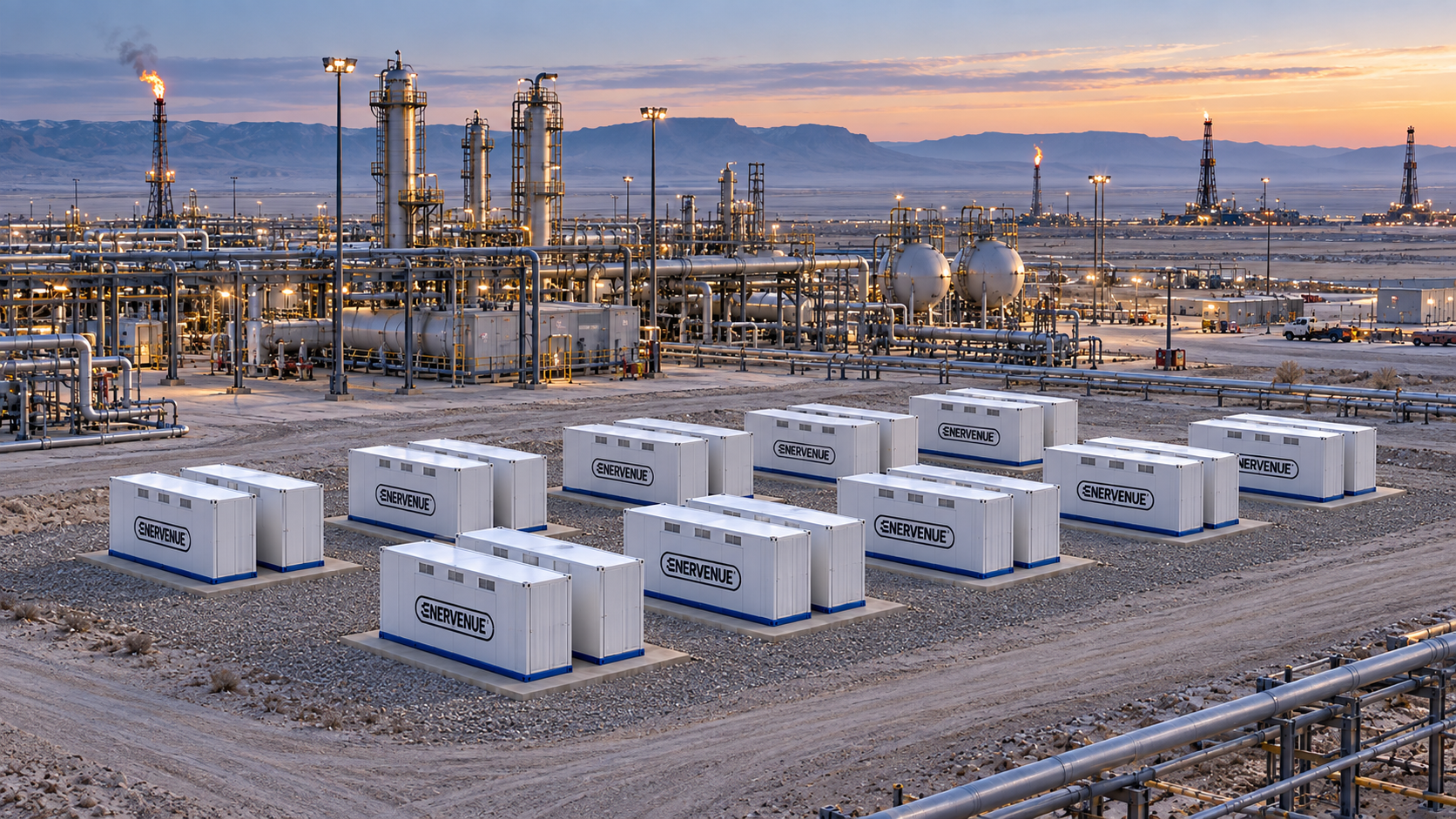
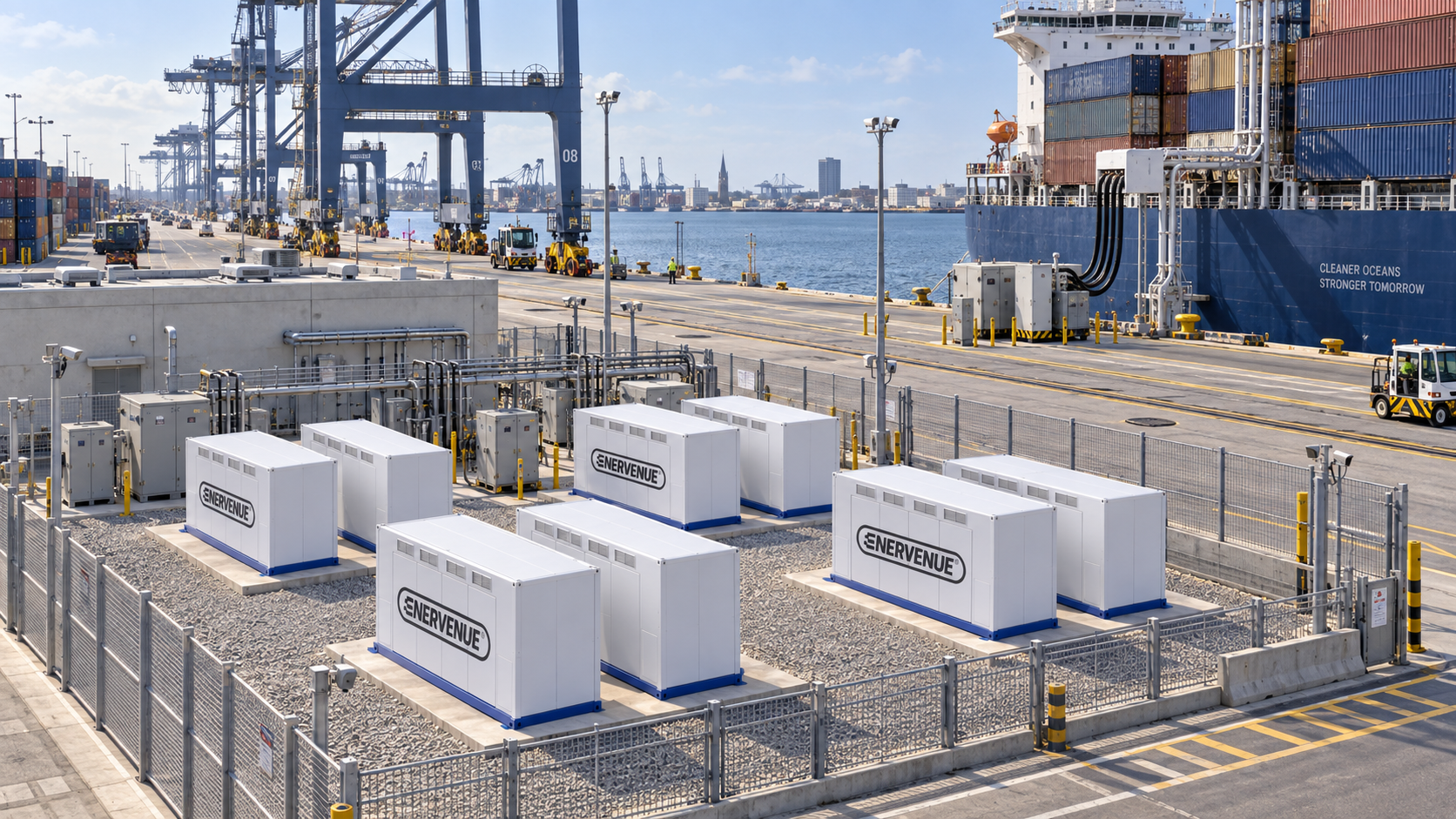
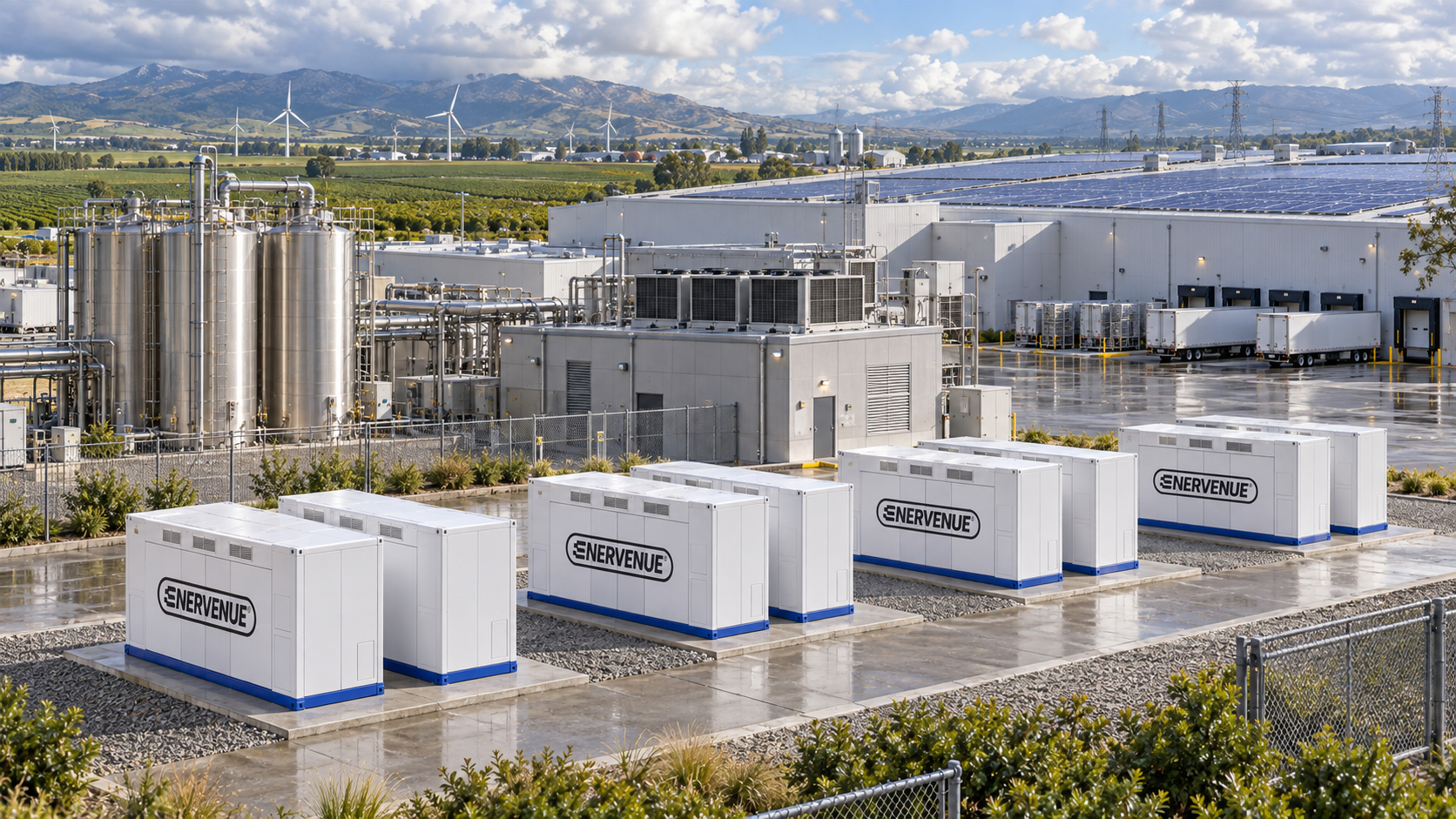
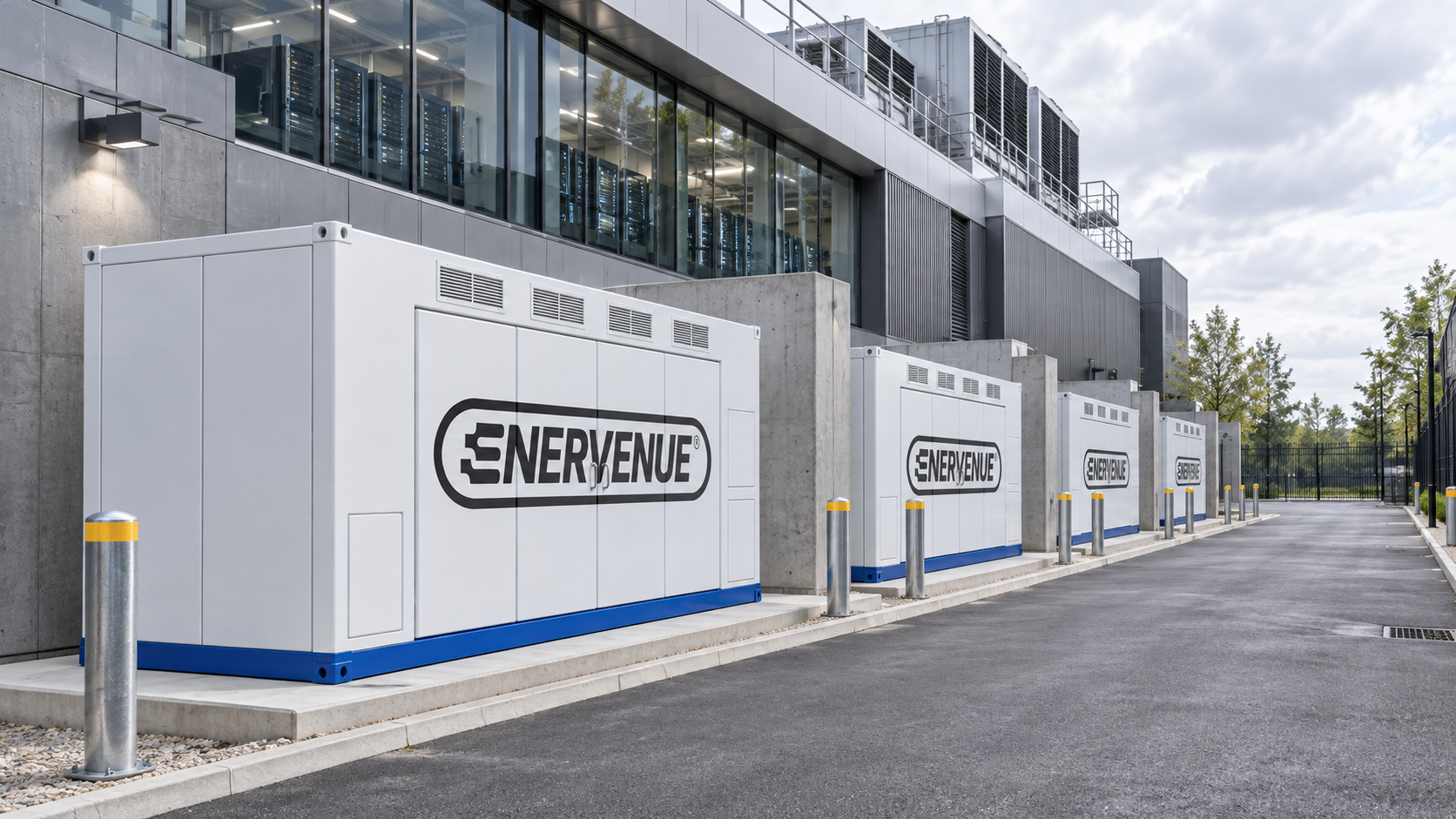
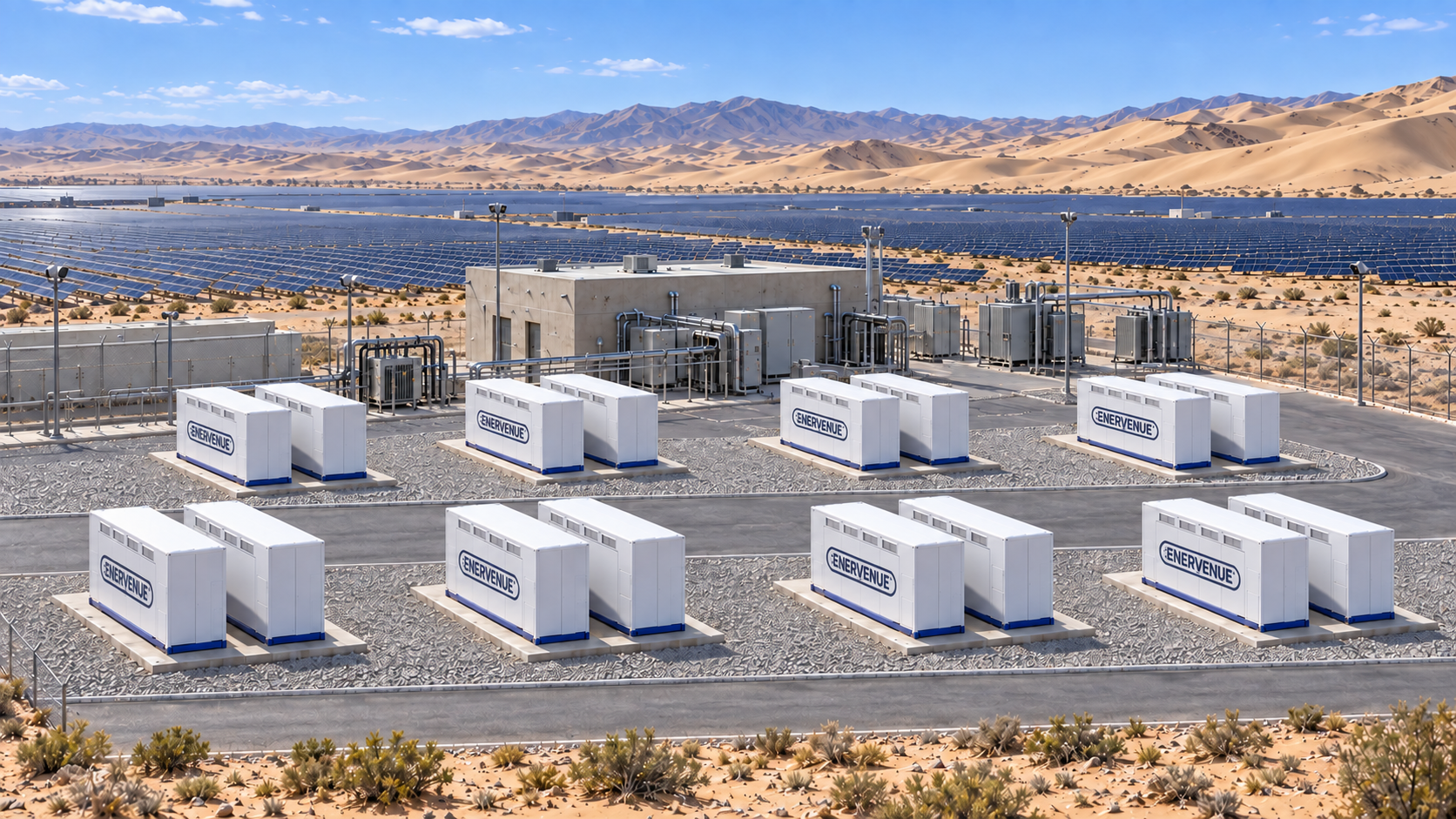
Illustrative scenario built on published industry data and EnerVenue's product specifications. It does not describe a specific EnerVenue customer or installation.
Join industry leaders who turn to our briefing for insights and analysis on storage technology, market shifts, and real-world deployments.
— Early access to industry research & whitepapers
— Market insights on energy storage trends
— Technology deep-dives from our engineering team