
video
Engineering the Vessel Behind the Battery
Behind the scenes
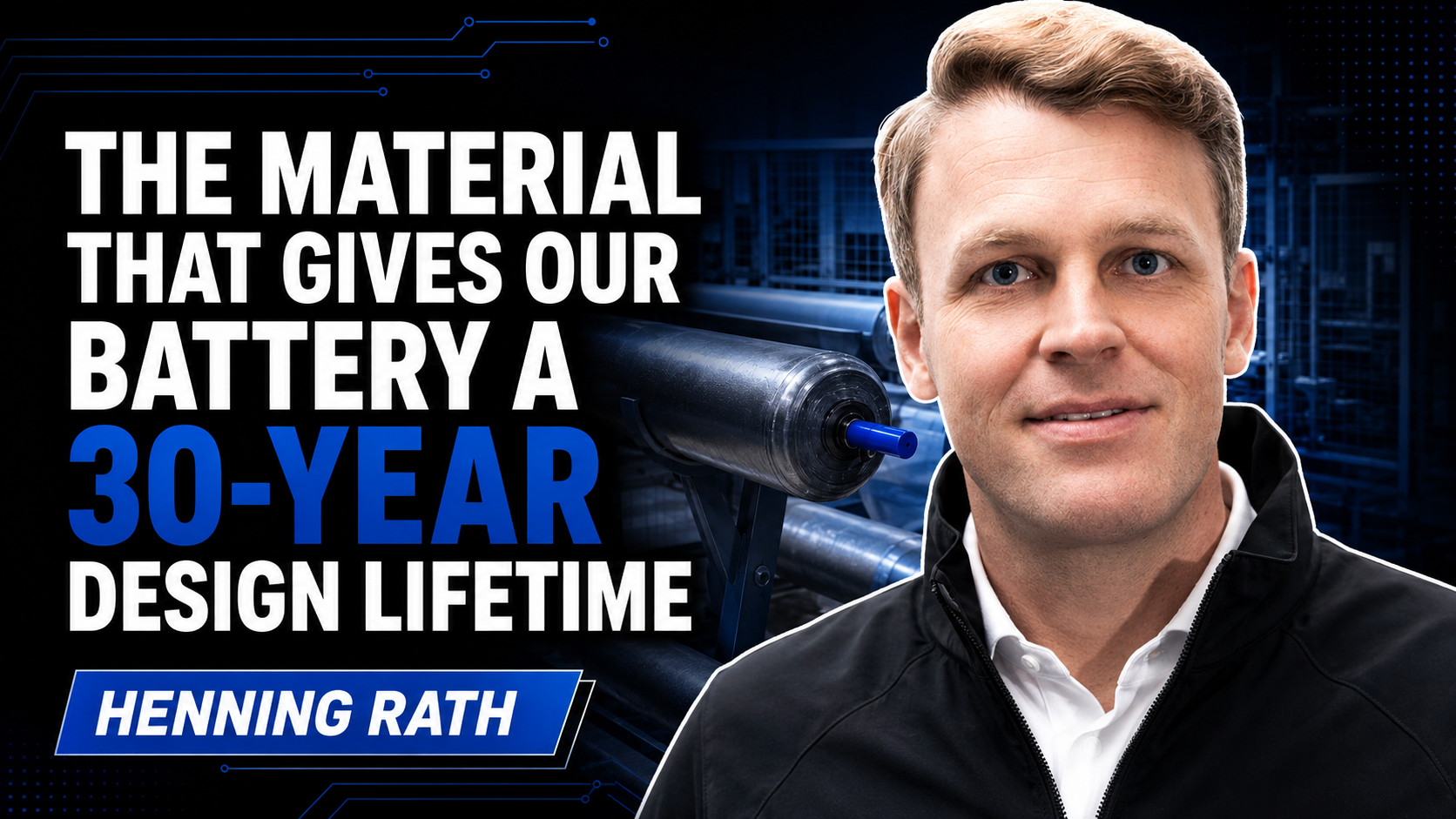
Henning Rath
Battery performance depends on more than the electrochemistry inside the cell. The structure that surrounds it plays an equally important role in determining how the battery performs over its lifetime.
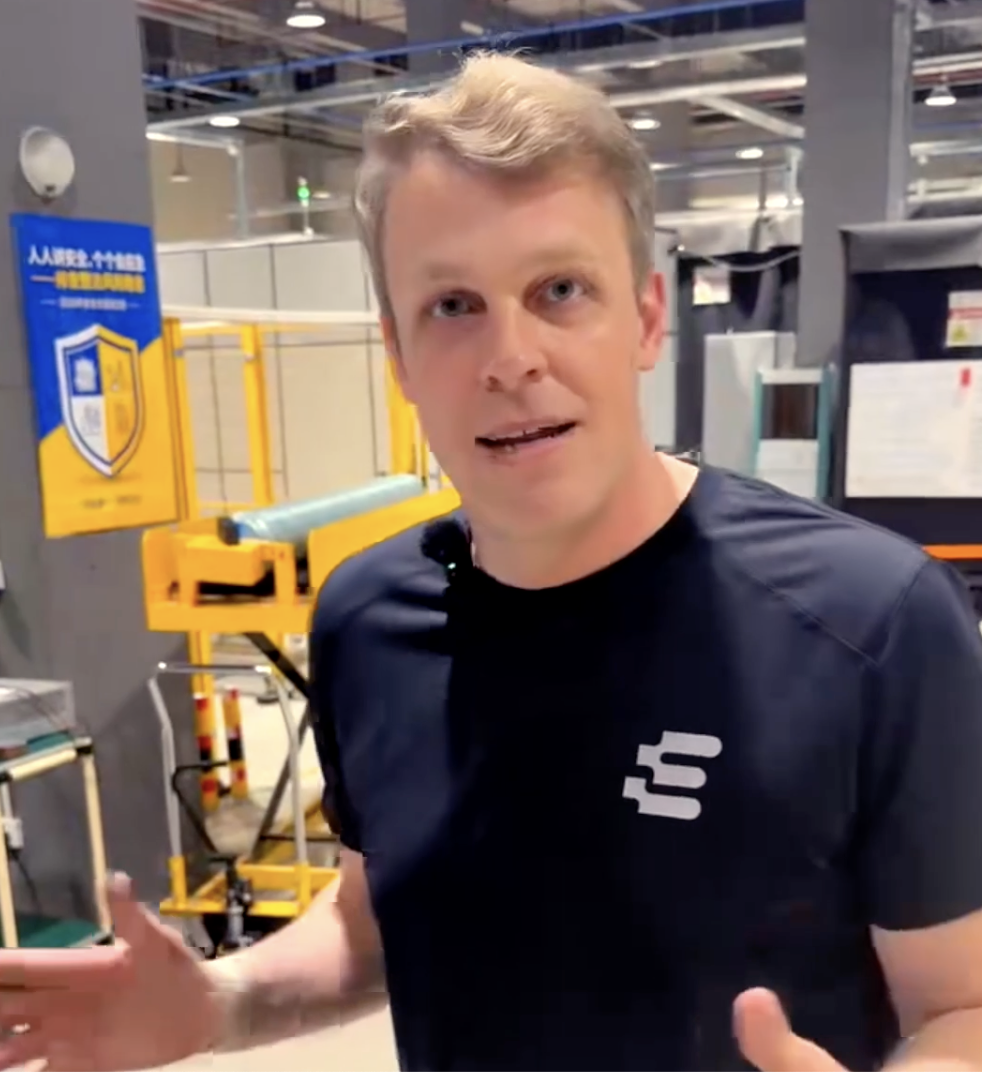
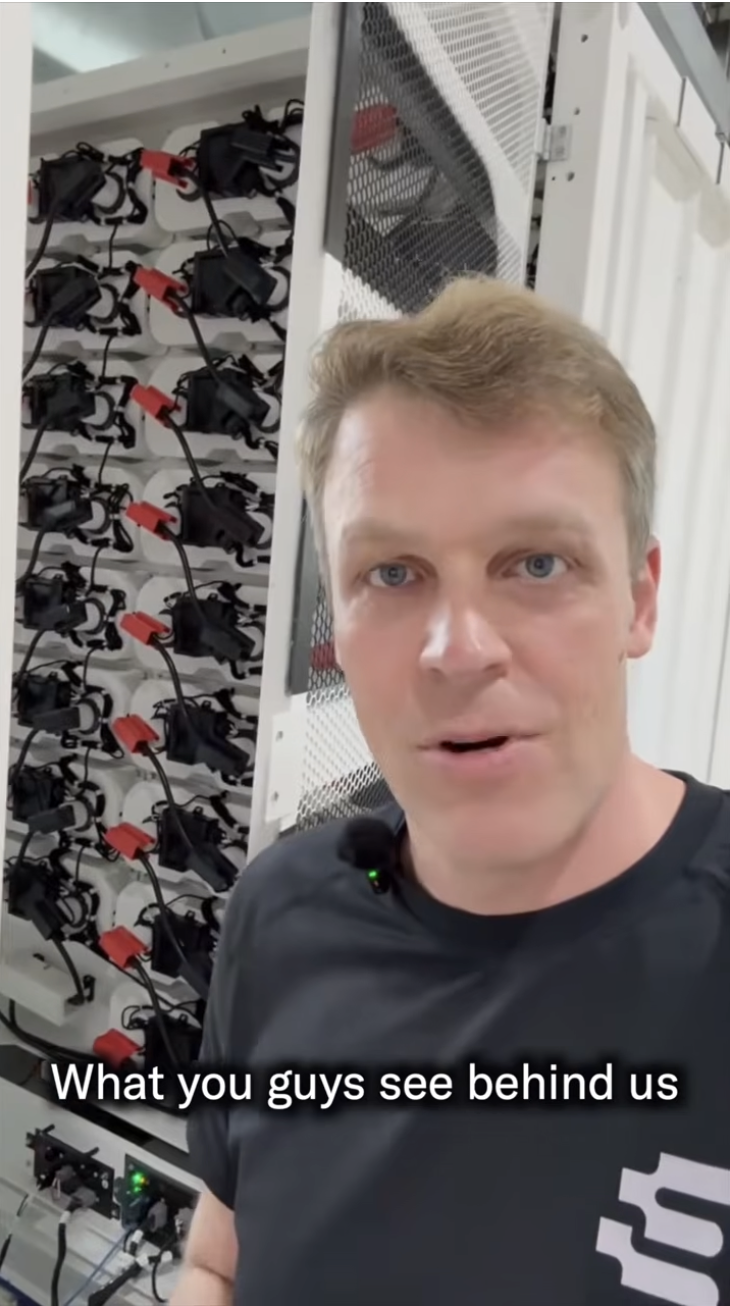
In this video, Henning demonstrates the design of our Generation 4 Aqueous Metal Cell (AMC) and explains how the vessel has evolved through successive generations of engineering.
Our original design used a metal cannister as the pressure vessel. Today, the cell train is first housed inside a plastic liner, which is inserted into the steel tube, sealed, and then reinforced with a glass fiber wrap.
Each element serves a purpose.
The plastic liner provides an internal structure for the cell train. The steel tube provides the foundation. The glass fiber reinforcement increases the vessel's strength and will help to reduce the amount of steel required, improving both manufacturability and material efficiency.
These changes are the result of continuous engineering refinement rather than a complete redesign. As we learn more through testing, manufacturing, and product development, we continue to improve the details that have the greatest impact on long-term performance.
The result is a vessel engineered to support more than 30 years of operation.
This is what engineering progress often looks like. Not one dramatic breakthrough, but a series of deliberate improvements that make a product stronger, more efficient, and better suited for decades of reliable service.
The energy landscape is changing fast. Stay ahead.
Join industry leaders who turn to our briefing for insights and analysis on storage technology, market shifts, and real-world deployments.
— Early access to industry research & whitepapers
— Market insights on energy storage trends
— Technology deep-dives from our engineering team
More Videos

.png)

.png)

Born to Empower. Built to Endure.
Speak with an Advisor