
Article ·
June 15, 2026
How The Aqueous Metal Cell Technology Works
Henning Rath
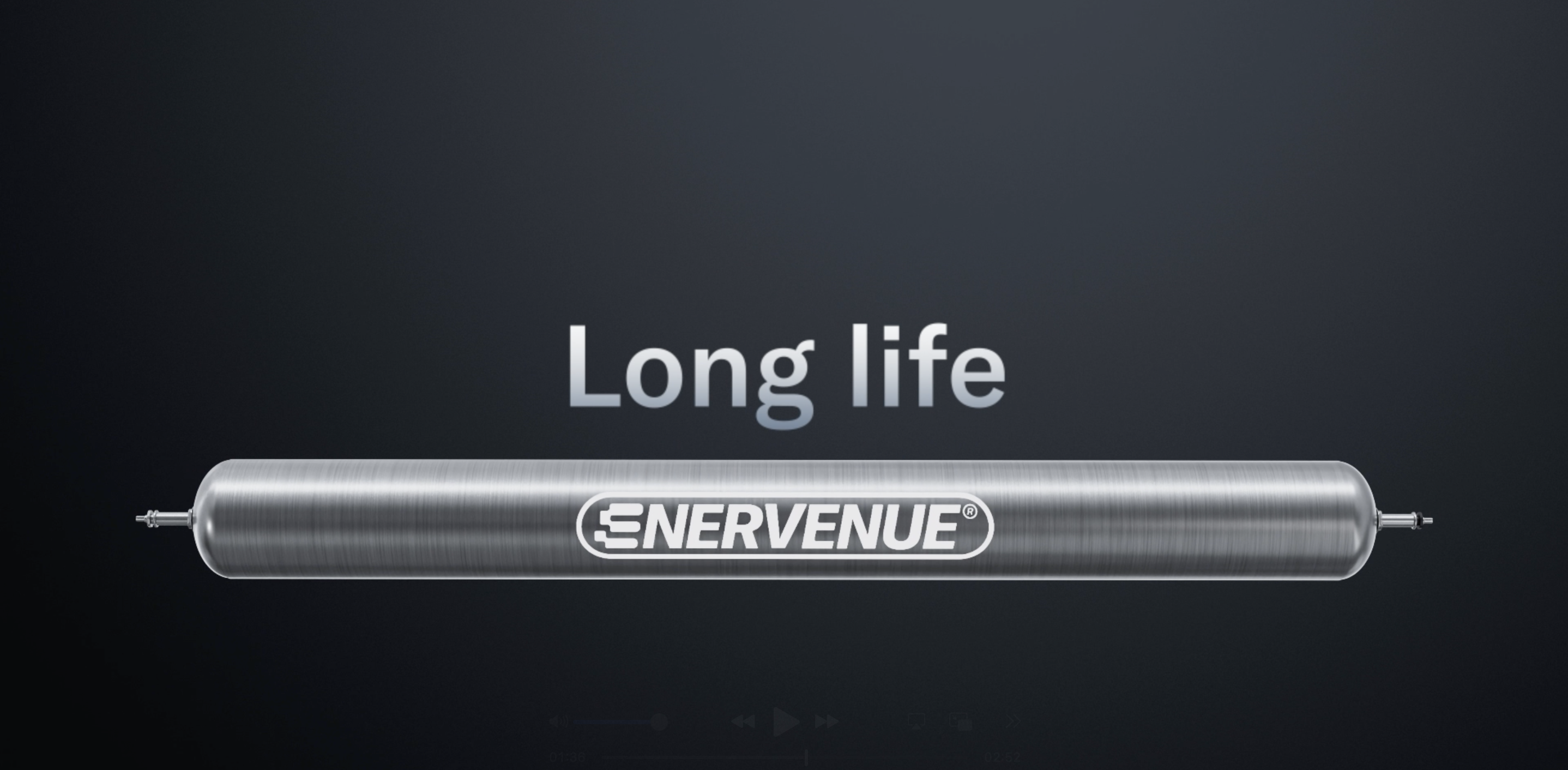
How The Aqueous Metal Cell Technology Works
Nickel-hydrogen batteries have operated in space for more than four decades. They power the International Space Station. They powered the Hubble Space Telescope. NASA and aerospace engineers chose them because they needed batteries that could cycle tens of thousands of times in extreme conditions without degrading and the chemistry delivered.
EnerVenue's Aqueous Metal Cell (AMC) technology applies that same electrochemistry to stationary energy storage on Earth. The video below explains how the technology works, where it came from, and why it performs differently than conventional battery systems.
What Makes AMC Different
Most grid-scale batteries use lithium-ion chemistry. Lithium-ion works well for many applications, but it comes with tradeoffs that matter at infrastructure scale: capacity degrades over time, thermal management adds complexity and cost, and replacement cycles shorten the economic life of a project.
AMC chemistry uses a water-based electrolyte, which eliminates thermal runaway risk and removes the need for fire suppression systems. The cells do not degrade the way lithium-ion does, EnerVenue's systems are designed to operate for 30 years and 30,000 cycles without capacity loss.
For utilities, grid operators, and developers evaluating long-duration storage, those differences show up directly in project economics: lower maintenance costs, no mid-life augmentation, and simpler permitting.
Where AMC Fits
AMC performs best in applications where duration, reliability, and lifecycle cost drive the decision:
- Utility-scale energy storage paired with renewables
- Grid reliability and resilience in congested or capacity-constrained regions
- Behind-the-meter storage for data centers and critical infrastructure
- Long-duration discharge applications where four hours is not enough
Grid congestion is intensifying. Data center power demand is accelerating. Operators increasingly need storage assets that last, require minimal maintenance, and perform consistently across thousands of cycles. AMC was engineered around exactly those requirements.
Frequently Asked Questions
What is an aqueous metal cell?An aqueous metal cell is a battery that uses a water-based electrolyte and nickel-hydrogen electrochemistry. It is derived from the same battery technology used aboard the International Space Station and other long-duration space missions.
How long does EnerVenue's AMC last?EnerVenue designs its AMC systems for a 30-year operational life and 30,000-plus charge-discharge cycles with no meaningful capacity degradation.
Is AMC safer than lithium-ion?The water-based electrolyte eliminates the risk of thermal runaway, which means no fire risk and no need for active fire suppression systems. This simplifies permitting, reduces insurance costs, and broadens the range of viable installation sites.
Where is AMC technology used today?EnerVenue is deploying AMC systems for utility-scale storage, grid resilience, and critical infrastructure applications across the United States.
The energy landscape is changing fast. Stay ahead.
Join industry leaders who turn to our briefing for insights and analysis on storage technology, market shifts, and real-world deployments.
— Early access to industry research & whitepapers
— Market insights on energy storage trends
— Technology deep-dives from our engineering team
Related Articles


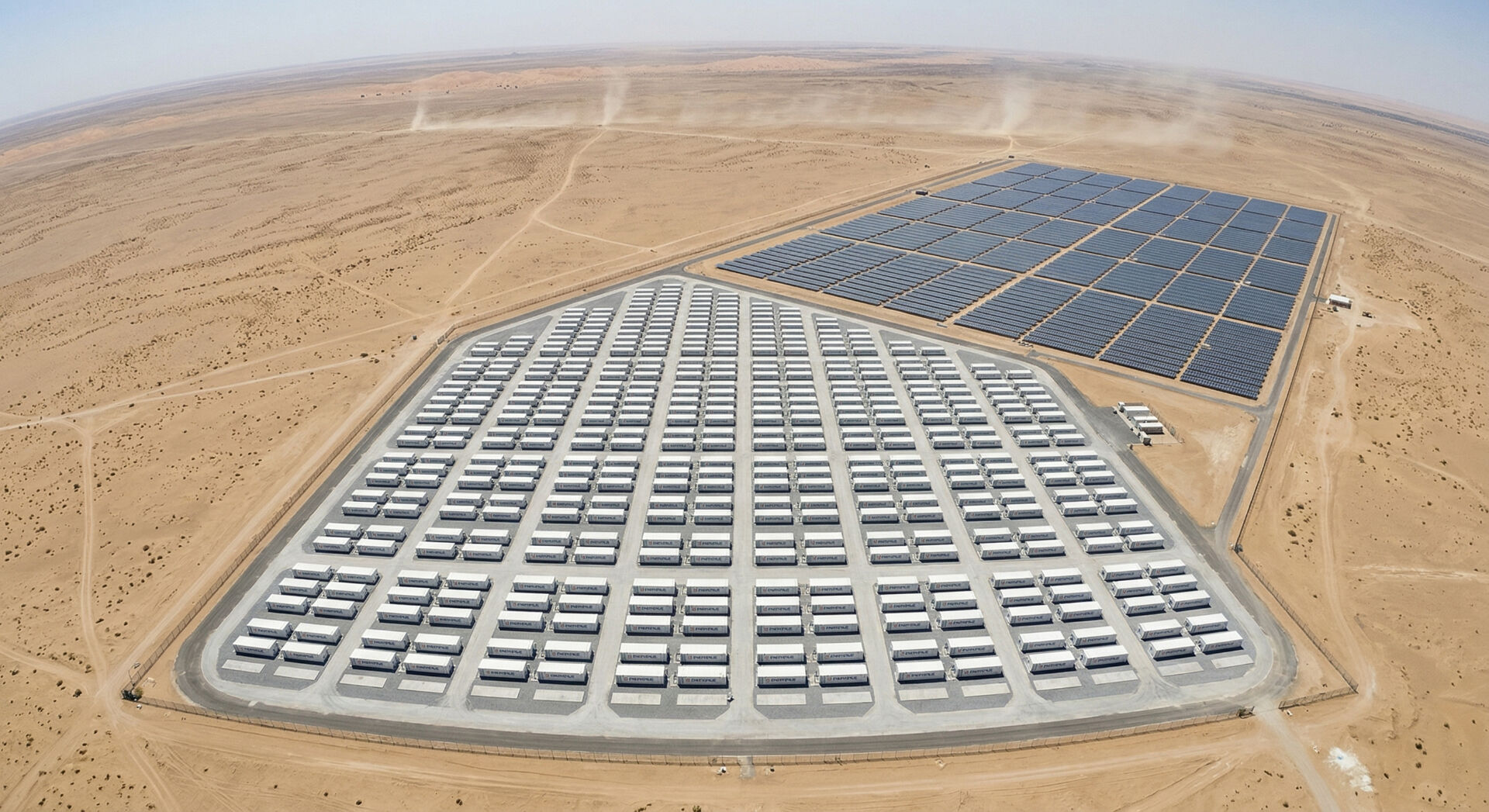
Born to Empower. Built to Endure.
Speak with an Advisor