
Article ·
June 5, 2026
Why Harsh Climates Expose the Real Economics of Energy Storage
Henning Rath
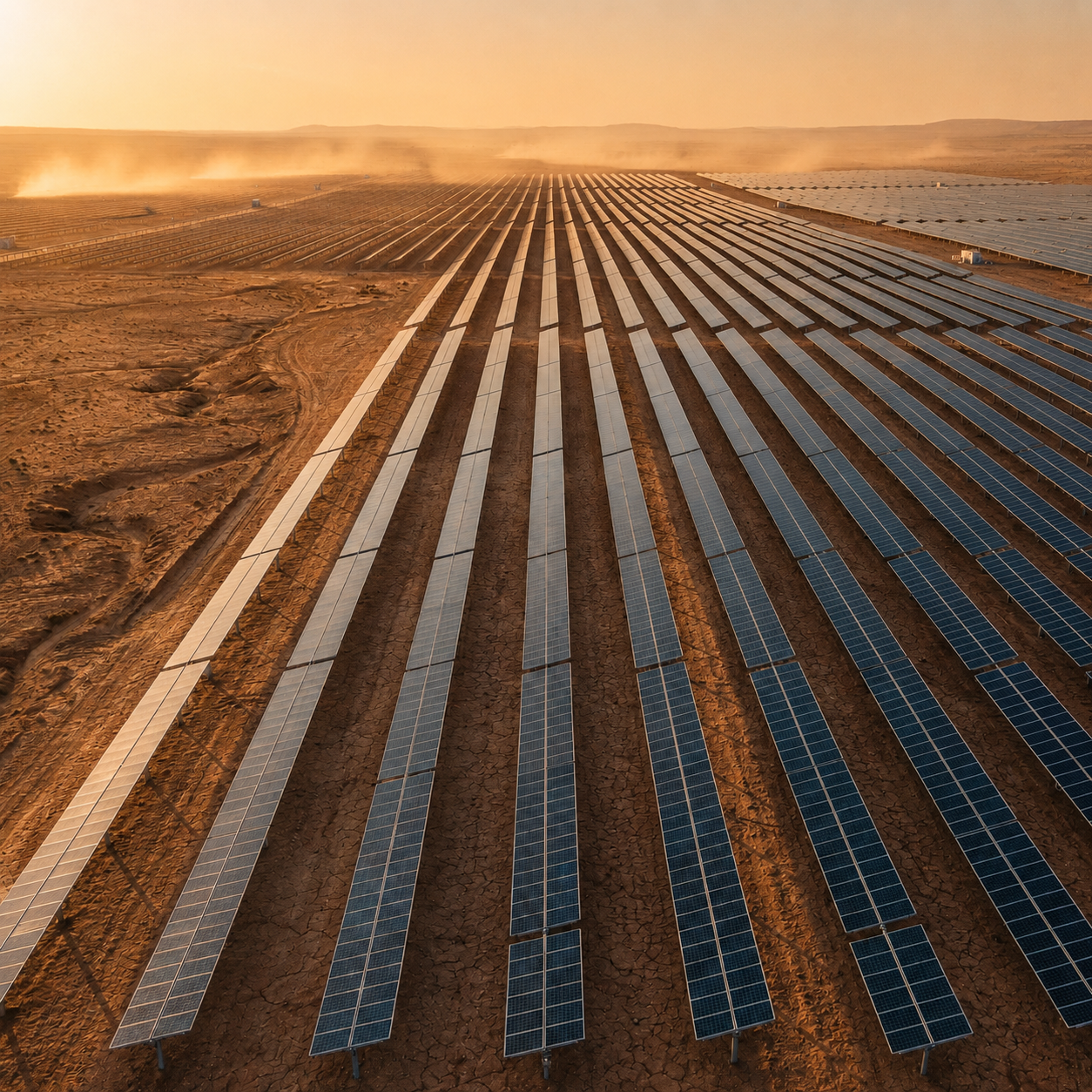
Some Systems Look Good on Spec Sheets. Others Look Good in the Field.
Energy storage performance is often discussed in controlled terms: ratings, curves, efficiencies, and design assumptions.
Harsh climates ignore those assumptions.
Extreme heat, cold, dust, humidity, and remoteness do not politely average out over time. They amplify weaknesses, accelerate wear, and surface costs that are easy to overlook during early-stage evaluation.
For this reason, harsh environments have become one of the clearest lenses through which to evaluate the real economics of energy storage.
Heat Changes Everything
High ambient temperatures affect more than comfort.
They influence:
- Component stress
- Cooling requirements
- System efficiency
- Long-term reliability
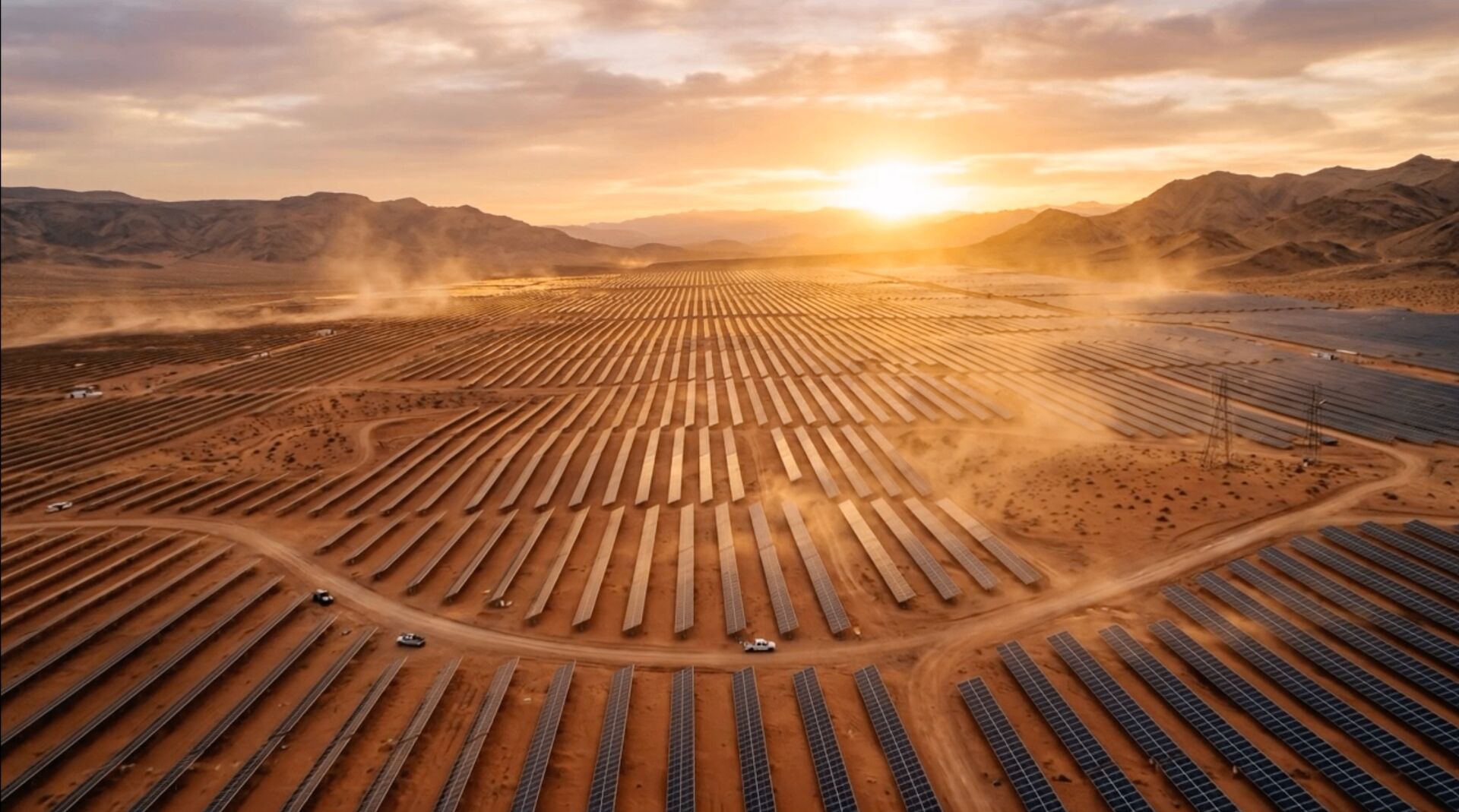
In hot climates, maintaining operating conditions often requires additional HVAC infrastructure. That infrastructure consumes power, adds maintenance obligations, and increases failure points.
Derating reducing usable capacity to protect system integrity can further erode expected performance. What was modelled as available energy may not be available when it is most needed.
These effects are cumulative. Over time, they reshape both operating cost and system behaviour.
Cold Has Its Own Penalties
Cold environments introduce a different set of challenges.
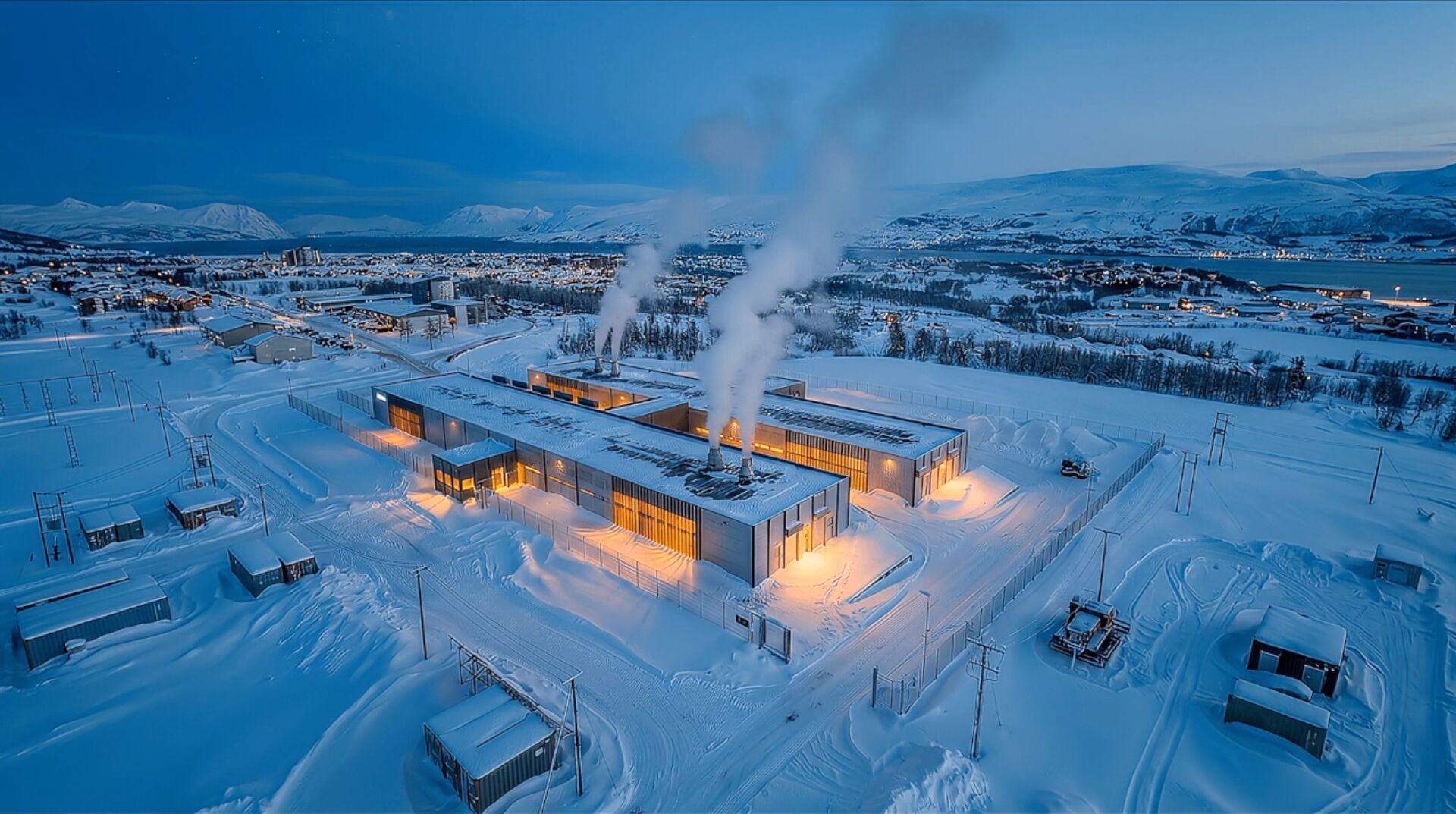
Reduced performance, slower response times, and increased energy use for thermal management all affect economics. In remote or high-latitude locations, access constraints make maintenance more difficult and downtime more consequential.
Here, reliability is not just about uptime, it is about whether intervention is feasible at all.
Systems that rely heavily on environmental control or frequent servicing can become liabilities in these conditions.
Remoteness Magnifies Operational Complexity
Distance matters.
In remote industrial, mining, or off-grid environments, every site visit carries cost and risk. Spare parts, specialised labour, and logistics add friction that is rarely reflected in upfront pricing models.
When maintenance is required frequently, or when systems demand close oversight, these costs accumulate quickly.
By contrast, systems designed for minimal intervention align more naturally with remote operations, where predictability and simplicity are essential.
HVAC and Balance-of-Plant Costs Add Up
One of the most underestimated aspects of harsh-climate deployment is balance-of-plant.
Cooling systems, enclosures, fire suppression, and environmental controls are often treated as secondary considerations. In extreme conditions, they can rival core system costs over time.
Energy consumed by HVAC reduces net system efficiency. Maintenance of these auxiliary systems introduces additional downtime and expense.
From an economic perspective, these factors matter as much as the storage technology itself.
Harsh Climates Compress Learning Curves
In moderate environments, performance issues can take years to surface. In harsh climates, they appear quickly.
This compression of time accelerates learning for better or worse. Systems that are marginally suitable reveal their limits early. Systems built for durability tend to demonstrate stability under stress.
For buyers evaluating long-term investments, this acceleration provides valuable signal.
Why Buyers Pay Attention to Extreme Environments
Performance in harsh climates is increasingly used as a proxy for overall robustness.
If a system can operate predictably in heat, cold, or remote locations, it is more likely to perform well elsewhere. Conversely, systems that struggle under these conditions raise questions about long-term reliability even in milder settings.
As a result, harsh-climate deployments often carry disproportionate weight in procurement discussions.
Economics Beyond Ideal Conditions
The real cost of energy storage is not defined by how systems perform under ideal conditions. It is defined by how they behave when conditions deviate from the norm.
Harsh climates make those deviations unavoidable.
For buyers focused on long-term economics and operational confidence, evaluating performance under stress is no longer optional. It is a practical way to understand how an asset will behave over time before those behaviours become costly surprises.
The energy landscape is changing fast. Stay ahead.
Join industry leaders who turn to our briefing for insights and analysis on storage technology, market shifts, and real-world deployments.
— Early access to industry research & whitepapers
— Market insights on energy storage trends
— Technology deep-dives from our engineering team
Related Articles
Born to Empower. Built to Endure.
Speak with an Advisor